
Cómo maximizar tus ganancias en los juegos‑show de casino en vivo: trucos, bonos y estrategias

En los últimos años los juegos‑show han irrumpido con fuerza en los casinos en línea, convirtiéndose en una de las experiencias más atractivas para los jugadores que buscan la combinación perfecta entre la adrenalina de la televisión y la interacción real de un casino live. Títulos como Monopoly Live, Deal or No Deal Live o Crazy Time ofrecen gráficos en tiempo real, crupieres profesionales y mecánicas inspiradas en los programas de prime time, lo que explica su rápido crecimiento entre los usuarios de dinero real.

Para quienes desean profundizar en la selección de operadores seguros y comparar ofertas, sitios como https://theinquirer.es/ pueden servir como referencia práctica.

Este artículo tiene como objetivo guiarte paso a paso: aprenderás a elegir el bono adecuado, a configurar tu bankroll, a aplicar tácticas específicas para cada juego‑show y a aprovechar promociones temporales, todo ello manteniendo la seguridad y el juego responsable como pilares fundamentales.

1. Elegir el juego‑show adecuado para tu estilo de juego

Los juegos‑show difieren mucho en volatilidad, RTP y ritmo, por lo que la selección debe basarse en tu perfil de riesgo y en la experiencia que buscas. A continuación, una tabla comparativa de los títulos más populares:

Juego RTP aproximado Volatilidad Interacción del presentador Duración media de ronda
Monopoly Live 96.2 % Media‑Alta Alto (animador + Mr. Monopoly) 1‑2 min
Deal or No Deal Live 95.8 % Alta Medio (banquero y presentador) 3‑4 min
Crazy Time 96.5 % Muy alta Alto (animador, mini‑juegos) 2‑3 min
Dream Catcher 96.3 % Baja‑Media Medio (presentador) 1‑2 min

Factores a considerar
– Volatilidad: si prefieres ganancias frecuentes pero pequeñas, opta por juegos de baja volatilidad como Dream Catcher. Si buscas grandes pagos en menos rondas, la alta volatilidad de Crazy Time o Deal or No Deal es más adecuada.
– RTP: aunque la diferencia suele ser de pocos puntos porcentuales, un RTP superior a 96 % brinda una ventaja a largo plazo.
– Interacción: algunos jugadores disfrutan del carisma del crupier; otros prefieren la mecánica pura sin distracciones.

Alineación con el bankroll
Si tu saldo inicial es de 50 €, una estrategia prudente es comenzar con juegos de volatilidad media y apuestas de 0,10 €‑0,20 €. En cambio, con 500 € puedes destinar una pequeña fracción (5‑10 %) a juegos de alta volatilidad, aceptando la mayor variabilidad de resultados.

Prueba antes de apostar
La mayoría de los operadores ofrecen versiones demo en modo “play‑for‑fun”. Utilízalas para familiarizarte con la interfaz, el ritmo de los giros y la lógica de los bonos sin arriesgar tu propio capital.

2. Entender y aprovechar los bonos de bienvenida y de recarga específicos para juegos‑show

Los bonos diseñados para juegos‑show suelen incluir match bonuses que multiplican tu primer depósito y, en ocasiones, giros gratis adaptados a rondas de bonificación. Aquí desglosamos los tipos más habituales:

  • Bono sin depósito: crédito gratuito (ej. 5 €) que puedes usar exclusivamente en juegos‑show seleccionados. Ideal para probar sin comprometer fondos.
  • Match bonus: 100 %‑200 % del primer depósito, con un límite típico de 200 €‑500 €. Algunos casinos añaden un “boost” del 10 % extra si apuestas en Monopoly Live durante la primera semana.
  • Giros gratis: aunque más comunes en slots, algunos operadores convierten los giros en “spins” de Crazy Time, permitiendo jugar sin wagering adicional en la ronda base.

Lectura de los T&C
1. Requisitos de apuesta: normalmente 30‑40× el monto del bono + depósito. Verifica que el juego‑show esté incluido; de lo contrario, el wagering se aplicará solo a slots.
2. Juegos permitidos: algunos bonos excluyen la ronda de bonificación (por ejemplo, la “Wheel of Fortune” de Dream Catcher).
3. Límites de tiempo: suele haber una ventana de 7‑14 días para cumplir el wagering; pasarla invalida el bono.

Paso a paso para reclamar el bono
1. Regístrate en la sección “Live Casino”.
2. Introduce el código promocional “SHOWTIME2024”.
3. Realiza el depósito mínimo (por lo general 20 €).
4. El bono aparecerá en tu balance; verifica que la casilla “Juegos‑show” esté activada.

Estrategia combinada
Si el casino ofrece un cashback del 10 % sobre pérdidas en juegos‑show, actívalo simultáneamente con el match bonus. De esta forma, cada sesión genera una pequeña devolución que reduce el impacto del wagering y aumenta la rentabilidad neta.

3. Configurar tu bankroll y gestión de apuestas para juegos‑show de alta volatilidad

Una gestión disciplinada del bankroll es la base para sobrevivir a la montaña rusa de los juegos‑show.

  • Regla del 1‑2 %: destina entre el 1 % y el 2 % de tu bankroll total a cada sesión de juego. Con 200 € de fondos, la apuesta inicial no debería superar los 4 €.
  • Ajuste por fase: en la ronda base (rueda simple) mantén la apuesta mínima; cuando se active una ronda de bonificación (por ejemplo, la rueda 2 x 2 en Monopoly Live), aumenta la apuesta en un 25‑50 % para aprovechar el multiplicador.
  • Tablas de apuestas progresivas: para Crazy Time, una tabla tipo “1‑3‑5‑10‑0” funciona bien: aumentas después de cada pérdida y vuelves a la apuesta base tras una victoria en la bonificación.
  • Herramientas de control: la mayoría de los casinos en línea permiten establecer límites de pérdida diarios (ej. 50 €) y sesiones máximas de tiempo (30 min). Actívalas desde el menú de “Juego responsable”.

Esta disciplina evita que una racha negativa consuma todo el capital y te permite seguir jugando cuando el juego entra en fase de alta probabilidad de ganancia.

4. Estrategias específicas para Monopoly Live

Monopoly Live combina una rueda de ruleta con una función “2 x 2” y una ronda de bonificación de Monopoly. Cada elemento ofrece oportunidades distintas.

  • Análisis del tablero: la rueda tiene 54 segmentos, entre los que se reparten 21 % de “+1”, 21 % de “+2”, 8 % de “2 x 2”, 8 % de “Cash Hunt” y 42 % de “Mr. Monopoly”.
  • Cuándo apostar al “+1” o “+2”: si en las 10 tiradas anteriores el número de “+1” ha sido inferior al 18 %, la probabilidad de aparición aumenta ligeramente (teoría de la regresión a la media). En ese caso, subir la apuesta al “+1” puede generar ganancias consistentes.
  • Maximizar la ronda de bonificación: cuando sale “Mr. Monopoly”, la rueda se transforma en un tablero de Monopoly con multiplicadores de 2‑10‑20‑40‑80‑100. La mejor práctica es apostar al “Mr. Monopoly” con la misma cantidad que la apuesta base, ya que el RTP de la bonificación supera el 96 % y el riesgo está limitado al multiplicador máximo.
  • Plan de 10 minutos:
  • 0‑2 min: apuesta 0,20 € a “+1”.
  • 2‑4 min: si aparecen 3 “+1” seguidos, incrementa a 0,30 € y añade “+2”.
  • 4‑6 min: al aparecer “2 x 2”, duplica la apuesta a 0,40 € en “+1”.
  • 6‑10 min: cuando se active la bonificación, apuesta 0,20 € a “Mr. Monopoly”.
    Con este esquema se estima un ROI del 4‑5 % en sesiones de bajo riesgo, siempre que el jugador respete los límites de pérdida.

5. Estrategias específicas para Deal or No Deal Live

Deal or No Deal Live reproduce la tensión del programa televisivo mediante 26 maletines con valores que van desde 0,01 € hasta 100 000 €.

  • Probabilidad de cada valor: los valores medios (1 000‑5 000 €) aparecen con mayor frecuencia (≈ 30 % del total). Los extremos (0,01 € y 100 000 €) son raros (≈ 2 % cada uno).
  • Cuándo aceptar la oferta: si la oferta del banquero supera el valor esperado (EV) de los maletines restantes en más de un 5 %, la decisión matemática es aceptar. Por ejemplo, con tres maletines restantes (0,01 €, 500 €, 10 000 €) y una oferta de 2 500 €, el EV es 3 503 €, por lo que deberías rechazar.
  • Uso de simuladores externos: existen calculadoras en línea que, introduciendo los valores ya abiertos, generan la oferta óptima. Utilízalas para validar la propuesta del banquero y evitar decisiones impulsivas.
  • Bonos de “seguro”: algunos casinos ofrecen un “insurance bet” que devuelve la mitad de la apuesta si la primera oferta es rechazada y el jugador pierde en la ronda final. Activar este bono reduce el riesgo del juego de alto riesgo.

Aplicando una regla simple – aceptar siempre cuando la oferta sea ≥ 1,2 × EV – los jugadores pueden incrementar su probabilidad de terminar la partida con ganancias positivas en torno al 30 % de las sesiones.

6. Aprovechar promociones temporales y torneos de juegos‑show

Los operadores suelen lanzar eventos temáticos que aumentan el valor de los bonos y ofrecen premios adicionales.

  • Calendario típico:
  • Black Friday (noviembre): 100 % match bonus + 50 giros gratis en Crazy Time.
  • Summer Splash (julio): torneo de Monopoly Live con pozo de 5 000 €.
  • Navidad (diciembre): cashback del 15 % en pérdidas de Deal or No Deal Live.
  • Inscripción a torneos: la mayoría requiere una cuota de entrada (ej. 10 €) y una cantidad mínima de apuestas en el juego‑show seleccionado. Los premios pueden ser en efectivo, bonos sin wagering o créditos de casino.
  • Combinar con bonos de “free play”: si el casino ofrece 20 € de crédito sin wagering para torneos, utilízalo para cumplir la cuota de apuesta sin arriesgar tu bankroll.
  • Tips bajo presión: mantén la apuesta base constante durante los primeros 5 min del torneo para conservar saldo; aumenta gradualmente cuando el pozo de premios sea accesible y la competencia se reduzca.

7. Seguridad, juego responsable y selección de operadores fiables

Jugar en un entorno seguro es tan importante como la estrategia de apuestas.

  • Licencias: verifica que el casino cuente con licencias de la UK Gambling Commission (UKGC), Malta Gaming Authority (MGA) o Curazao eGaming. Estas entidades garantizan auditorías regulares y cumplimiento de normas de protección al jugador.
  • Auditorías RNG: los juegos‑show live utilizan generadores de números aleatorios certificados por eCOGRA o iTech Labs. Busca el sello de auditoría en la página del juego.
  • Herramientas de juego responsable: la mayoría de los sitios ofrecen auto‑exclusión, límites de depósito, límites de pérdida y recordatorios de tiempo. Actívalos desde el panel de control antes de iniciar la sesión.
  • Calidad del streaming: una buena transmisión en HD y la interacción fluida con el crupier son indicadores de una infraestructura robusta. Lee reseñas en fuentes como Theinquirer para comparar la experiencia de usuario entre diferentes operadores.
  • Por qué elegir plataformas recomendadas por Theinquirer: el sitio actúa como un directorio de casinos online fiables, ofreciendo enlaces a licencias, reseñas de seguridad y comparativas de bonos. Consultarlo ayuda a filtrar ofertas sospechosas y a encontrar operadores con buena reputación.

Conclusión

Convertir los juegos‑show en una fuente rentable de diversión requiere combinar varios elementos: elegir el título que mejor se adapte a tu estilo, aprovechar bonos específicos, gestionar el bankroll con disciplina y aplicar tácticas probadas para Monopoly Live y Deal or No Deal Live. Además, participar en promociones y torneos temporales puede multiplicar tus ganancias si lo haces con prudencia.

Empieza probando una cuenta demo, reclama el bono de bienvenida en un casino con licencia y pon en práctica los consejos aquí descritos. Recuerda siempre jugar de forma responsable y disfrutar del espectáculo tanto como del potencial de ganar dinero real.

Come Vincere le Scommesse Accumulator nei Moderni Tornei dei Casinò: Guida per Principianti

Le scommesse accumulator hanno conquistato una nicchia speciale nei casinò online, soprattutto perché permettono di combinare più eventi in un’unica puntata e di moltiplicare i potenziali ritorni. In un contesto dove le promozioni online sono sempre più aggressive, l’accumulator diventa lo strumento ideale per trasformare un piccolo stake in una vincita significativa, sfruttando la volatilità di più giochi contemporaneamente.

Se vuoi approfondire gli aspetti legati alla sicurezza dei giochi, visita il sito casino non aams sicuri. Qui troverai informazioni pratiche su come riconoscere operatori internazionali affidabili, verificare le licenze e proteggere i tuoi dati personali.

Negli ultimi anni i tornei di casinò hanno assunto un ruolo centrale: offrono premi fissi, jackpot progressivi e una struttura competitiva che si sposa perfettamente con la logica dell’accumulator. Questo articolo è pensato per chi è alle prime armi e vuole imparare passo passo a costruire, gestire e ottimizzare le proprie scommesse accumulator all’interno dei tornei, senza incorrere in errori costosi.

Cos’è un Accumulator e perché è così attraente nei tornei

Un accumulator è una scommessa che combina due o più selezioni in un unico biglietto; tutte le selezioni devono risultare vincenti perché la puntata paghi. La differenza principale rispetto a una scommessa tradizionale è la moltiplicazione delle quote: se scegli tre eventi con quote 2.0, 1.8 e 2.5, la quota totale sarà 9.0, cioè 2 × 1.8 × 2.5.

Nei tornei “tournament‑style” l’accumulator assume una veste più dinamica: i giocatori non puntano solo per vincere denaro, ma per accumulare punti che determinano la classifica finale. Questo crea una tensione aggiuntiva, perché ogni selezione influisce sia sul payout che sulla posizione in classifica.

I vantaggi sono evidenti. Prima di tutto, i potenziali ritorni sono molto più alti rispetto a una singola scommessa, soprattutto quando si combinano quote elevate di giochi con alta volatilità come le slot progressive. In secondo luogo, l’aspetto strategico è più coinvolgente: il giocatore deve valutare non solo la probabilità di vittoria di ogni evento, ma anche l’impatto sul proprio bankroll e sulla classifica del torneo.

I diversi tipi di tornei di casinò che accettano accumulator

Tipo di torneo Premi Caratteristiche principali Ideale per
Premi fissi Cash, crediti, bonus Quote fisse, durata limitata, regole chiare Giocatori che preferiscono prevedibilità
Jackpot progressive Jackpot che cresce con le puntate Vincita condivisa, payout potenzialmente enorme Chi ama il rischio e la possibilità di colpo grosso
Multi‑Match Serie di match con punti per ogni vincita Classifica basata su punti, non solo sul denaro Stratega che vuole ottimizzare ogni singola scommessa

Tra i formati più popolari troviamo il “Multi‑Match”, dove ogni selezione dell’accumulator vale un match; il “Bet‑Back”, che restituisce una percentuale della puntata se la prima selezione perde; e il “Survivor”, in cui il giocatore deve rimanere in gioco finché non sbaglia una singola selezione.

La scelta del torneo dipende dal profilo di rischio. Se sei più cauto, opta per i premi fissi e un limite di tempo più breve. Se invece ti piace l’adrenalina di un jackpot che può superare i 100.000 €, i tornei progressive sono la tua arena. In entrambi i casi, controlla sempre le regole specifiche del torneo: limiti di puntata, numero massimo di selezioni e eventuali bonus di benvenuto.

Come costruire il primo accumulator passo dopo passo

  1. Seleziona gli eventi – Scegli tre o quattro giochi che conosci bene. Per esempio, una slot a volatilità alta come Book of Ra Deluxe, una roulette europea con RTP 98,5% e una mano di blackjack con regola “dealer stands on soft 17”.
  2. Valuta le quote – Usa un calcolatore online (molti siti di casinò lo offrono gratuitamente). Inserisci le quote: 2.0 per la slot, 1.95 per la roulette e 2.1 per il blackjack; il risultato sarà 8.19.
  3. Controlla il bankroll – Decidi quanto rischiare. Con la regola del 2 % su un bankroll di €200, la puntata massima sarà €4.
  4. Verifica le limitazioni del torneo – Alcuni tornei accettano solo fino a 5 selezioni o impongono un minimo di €1 per scommessa.
  5. Conferma e piazza – Usa l’app mobile del casinò per inserire rapidamente l’accumulator, così potrai reagire a eventuali variazioni di quota in tempo reale.

Strumenti consigliati: l’app “Accumulator Calculator” disponibile su iOS e Android, e le funzioni integrate di “Live Odds” offerte da piattaforme come Bet365 Casino. Questi tool ti permettono di aggiornare le quote al volo, evitando sorprese dell’ultimo minuto.

Strategie di gestione del bankroll per i principianti

  • Regola del 2 % – Non scommettere più del 2 % del tuo bankroll totale in una singola puntata accumulator. Con €500 di bankroll, la puntata massima sarà €10.
  • Progressione negativa – Se perdi due accumulator consecutivi, riduci la puntata del 25 % per la terza scommessa; se vinci, torna alla quota base.
  • Pianificazione per tornei lunghi – In un torneo di 7 giorni, suddividi il bankroll in “giornate” (es. €70 al giorno). Usa solo il 30 % di quella quota giornaliera per gli accumulator più rischiosi.

Esempio pratico: supponiamo di partecipare a un torneo “Survivor” con un bankroll di €300. Decidi di destinare €60 al primo giorno (20 %). La prima puntata accumulator è €3 (2 % di €150, il bankroll residuo). Se vinci, aggiungi €12 al bankroll del giorno; se perdi, mantieni la puntata successiva a €2,5. Questo approccio mantiene il capitale stabile e ti permette di rimanere competitivo per tutta la durata del torneo.

Analisi dei fattori di rischio specifici dei tornei accumulator

  • Pressione del tempo – Molti tornei hanno finestre di scommessa di 5‑10 minuti. La rapidità può indurre a decisioni affrettate, soprattutto quando le quote cambiano in tempo reale.
  • Limiti di scommessa – Alcuni tornei impongono un massimo di €5 per accumulator. Se il tuo bankroll è più alto, potresti dover ridurre la percentuale di puntata, limitando il potenziale guadagno.
  • Quote in tempo reale – Le quote delle slot live possono oscillare del 10‑15 % in pochi secondi. Un accumulator costruito con quote “statiche” può perdere valore prima di essere confermato.

Per mitigare il rischio di “cascata” (quando una selezione fallisce e l’intero accumulator è perduto), considera di utilizzare il “Bet‑Back” o di inserire una selezione a bassa volatilità come “scommessa di copertura”. Inoltre, mantieni sempre un margine di sicurezza nel bankroll: non utilizzare più del 5 % del capitale totale per un singolo torneo.

Storie di successo: 3 case study di vincite sorprendenti

  1. Marco, 28 anni, Napoli – Ha iniziato con €10 in un torneo a premi fissi. Ha combinato una slot a volatilità media (quota 1.9), una roulette europea (1.95) e una mano di baccarat (2.0). L’accumulator ha fruttato €180, portandolo al podio finale. La chiave è stata l’analisi delle tendenze di payout della slot nelle ore serali.
  2. Laura, 34 anni, Milano – Ha partecipato a un torneo jackpot progressive con un bankroll di €50. Ha scelto una slot progressive (quota 3.2) e due scommesse di blackjack con regole favorevoli (2.1 ciascuna). Il risultato è stato un jackpot di €12.500, grazie a una decisione di aumentare la puntata del 30 % dopo il primo win, rispettando comunque la regola del 2 %.
  3. Giovanni, 22 anni, Torino – Ha usato il formato “Survivor” e ha puntato su quattro eventi: due slot a bassa volatilità (1.6, 1.7) e due scommesse su sport live (1.9, 2.0). Dopo tre round senza perdita, ha raddoppiato la puntata finale, ottenendo un payout di €2.800. La lezione: la pazienza e la gestione del ritmo di scommessa sono fondamentali.

In tutti e tre i casi, la scelta di combinare giochi con volatilità differente ha ridotto la probabilità di una “cascata” totale, consentendo di capitalizzare sui momenti di buona fortuna.

Strumenti e piattaforme consigliate per partecipare ai tornei

Piattaforma Tornei accumulator Sicurezza Bonus di benvenuto
CasinoX Multi‑Match, Survivor Licenza Curacao, crittografia SSL 100% fino a €200 + 50 giri
BetStar Casino Jackpot progressive, Bet‑Back Licenza Malta, verifica KYC 150% fino a €300
SpinClub Premi fissi, Multi‑Match Licenza UKGC, audit RTP trimestrale 75% fino a €150 + 30 giri

Per verificare la licenza, controlla la sezione “Informazioni legali” del sito o usa il database di eCOGRA. Retedeglistudenti è un ottimo punto di partenza per confrontare rapidamente le licenze e leggere recensioni casinò senza entrare in dettagli tecnici.

Le app mobile di queste piattaforme offrono notifiche push per le finestre di scommessa, grafici in tempo reale delle quote e la possibilità di gestire il bankroll direttamente dal telefono. Assicurati di attivare l’autenticazione a due fattori (2FA) per proteggere il tuo account durante le sessioni di gioco intensivo.

Errori comuni da evitare e consigli pratici per il debutto

  • Sovrastimare le proprie capacità di previsione – Non credere di poter prevedere l’andamento di una slot solo perché hai vinto una volta. Usa dati storici e analisi di volatilità.
  • Ignorare le regole specifiche del torneo – Alcuni tornei penalizzano le scommesse “late” o hanno limiti di puntata diversi per le prime fasi. Leggi sempre il regolamento prima di puntare.
  • Non tenere traccia del bankroll – Un semplice foglio Excel o l’app “Bankroll Tracker” ti aiuta a vedere subito se stai superando la soglia del 2 %.

Checklist finale:

  • [ ] Verifica la licenza del casinò e la sicurezza (usa Retedeglistudenti per un rapido check).
  • [ ] Calcola le quote combinate con un calculator affidabile.
  • [ ] Imposta una puntata massima basata sul 2 % del bankroll.
  • [ ] Controlla i limiti di tempo del torneo.
  • [ ] Conferma la puntata e monitora le quote in tempo reale.

Seguendo questi passaggi ridurrai al minimo gli errori più frequenti e aumenterai le tue probabilità di successo.

Conclusione

Abbiamo esplorato le basi delle scommesse accumulator, i diversi formati di tornei, le tecniche per costruire un accumulator efficace e le strategie di gestione del bankroll più adatte ai principianti. Le storie di successo dimostrano che, con disciplina e una buona dose di analisi, è possibile trasformare un piccolo stake in un payout notevole.

Ti invitiamo a sperimentare con cautela: utilizza le risorse di Retedeglistudenti per verificare la sicurezza dei casinò, sfrutta i bonus di benvenuto e partecipa a un torneo “Survivor” per mettere alla prova le tue nuove competenze. Ricorda sempre di giocare responsabilmente, di rispettare i limiti di puntata e di verificare la licenza dell’operatore prima di depositare. Buona fortuna e buon divertimento!

Il cinema incontra il tavolo verde: come le serie TV e i film stanno ridefinendo i giochi da casinò online

Negli ultimi cinque anni l’intrattenimento di massa ha iniziato a fondersi in modo sempre più evidente con il mondo del gambling digitale. Produttori di software per casinò online, spin-off di grandi case di produzione e piattaforme di streaming hanno scoperto che una licenza cinematografica o televisiva può trasformare una slot o un tavolo da gioco in un’esperienza narrativa capace di catturare l’attenzione di un pubblico già affezionato al brand. Questa sinergia non è più un esperimento isolato: le campagne di lancio ora includono trailer, cameo di attori e persino eventi live‑dealer che ricreano scenografie di serie famose.

Per chi vuole scoprire le ultime novità del settore, visita la pagina dedicata ai nuovi casino in italia, dove vengono analizzate le offerte più recenti e le tendenze emergenti.

L’obiettivo di questo articolo è fornire una panoramica di tendenza che coniuga cultura pop e giochi da tavolo, evidenziando le opportunità di mercato, le criticità legali e le prospettive future. Analizzeremo come le licenze, la psicologia del giocatore e le innovazioni tecnologiche stiano rimodellando l’offerta dei casinò online, con un occhio di riguardo alle promozioni, ai bonus di benvenuto e alla sicurezza per gli utenti.

Dalla pellicola al rullo: l’evoluzione delle slot tematiche

Le prime slot ispirate a film comparvero alla fine degli anni ’90, quando i produttori iniziarono a utilizzare immagini statiche di blockbuster come Titanic o Il Signore degli Anelli. Con l’avvento del video‑slot in HD, le limitazioni grafiche sono scomparse, permettendo animazioni fluide e narrazioni a più livelli.

L’introduzione del 3D ha portato a ricreazioni quasi cinematografiche: la colonna sonora di Jurassic World si sincronizza con i rulli, mentre i simboli dei dinosauri ruotano in una prospettiva reale. Game of Thrones ha sfruttato la volatilità alta per simulare le battaglie della serie, offrendo un jackpot progressivo che può superare i 5 000 € in pochi spin.

Questi successi hanno spinto gli sviluppatori a puntare su franchise con fan‑base consolidata, garantendo un ritorno sull’investimento più rapido rispetto a temi originali. La combinazione di bonus di benvenuto tematici e promozioni “spin gratis” legate a episodi specifici ha aumentato il tasso di conversione del 12 % nei primi 30 giorni di lancio.

Esempi recenti

  • “The Witcher: Wild Hunt” – 20 linee di pagamento, RTP 96,3 %, volatilità media, bonus “Caccia al Mostro” con moltiplicatori fino a 10 x.
  • “Stranger Things – The Upside Down” – slot a 5 rulli, 25 paylines, RTP 95,8 %, feature “Portale” che trasporta il giocatore in una mini‑avventura a scelta.

Table games con storyline: il nuovo paradigma del blackjack e della roulette

Le tradizionali varianti di blackjack e roulette hanno iniziato a incorporare trame interattive per differenziarsi dalle slot. In un “Blackjack – Il Gioco di James Bond”, ad esempio, il giocatore assume il ruolo dell’agente 007, completando missioni segrete ad ogni mano vinta. Le missioni includono “Disinnesco della bomba” (bonus di 5 % sul payout) o “Infiltrazione in un casinò nemico” (giri gratuiti sulla roulette).

La roulette tematica, invece, utilizza una storyline ambientata in La Casa di Carta. Ogni giro rappresenta un “colpo” del gruppo, con la possibilità di sbloccare un “cassaforti bonus” che aggiunge un jackpot fisso di 1 000 €. Le meccaniche di “missione” sono integrate nel flusso di gioco, senza interrompere la fluidità tipica dei tavoli.

Queste innovazioni aumentano il valore medio della scommessa (average bet) di circa il 8 % e prolungano il tempo medio di gioco per sessione, poiché i giocatori sono motivati a completare la narrazione prima di passare a un altro tavolo. Le promozioni legate a questi giochi spesso includono “bonus di benvenuto” con crediti extra per le missioni più difficili, incentivando l’adozione da parte dei nuovi utenti.

Il ruolo delle licenze ufficiali: opportunità e limitazioni legali

Ottenere una licenza cinematografica significa negoziare diritti di utilizzo di marchi, colonne sonore e volti di attori. I costi di licensing possono variare dal 10 % al 25 % dei ricavi lordi del gioco, a seconda della popolarità del franchise. Tuttavia, la presenza di un marchio riconoscibile garantisce una maggiore visibilità sui marketplace dei casinò e una più facile acquisizione di traffico organico.

Le questioni di copyright impongono restrizioni su come i contenuti possono essere modificati. Ad esempio, gli sviluppatori non possono alterare dialoghi o scene chiave senza l’approvazione dello studio proprietario, il che può limitare la creatività delle funzionalità bonus. Inoltre, le normative AAMS/ADM richiedono che tutti i contenuti siano conformi a standard di sicurezza e trasparenza, includendo avvisi su eventuali meccaniche di “gamblification” della trama.

Per gli operatori, la scelta di investire in una licenza ufficiale dipende dal bilancio tra costi di sviluppo e potenziale incremento di revenue. Siti di riferimento come Edincubator offrono panoramiche generali sui trend di licenza, ma non forniscono analisi comparative specifiche.

Psicologia del giocatore: perché le ambientazioni cinematografiche aumentano il coinvolgimento

Le teorie di immersione suggeriscono che un ambiente visivo familiare riduce la barriera cognitiva, permettendo al giocatore di “entrare” più rapidamente nella sessione. Quando una slot utilizza elementi di un film amato, il cervello associa il gioco a emozioni positive già sperimentate, aumentando la dopamina rilasciata durante i win.

L’effetto nostalgia è particolarmente potente: giocatori di età 35‑45, cresciuti con serie come Friends o Breaking Bad, mostrano un tasso di retention del 22 % superiore rispetto a coloro che giocano a temi generici. Le fan‑base attive sui social media amplificano il passaparola, generando picchi di traffico durante eventi di lancio.

Dati di mercato indicano che le slot tematiche hanno un tempo medio di gioco per sessione di 14 minuti, contro i 9 minuti delle slot tradizionali. Inoltre, il tasso di conversione da visita a registrazione sale dal 4,5 % al 6,8 % quando il gioco è associato a un film di grande richiamo, soprattutto se accompagnato da un bonus di benvenuto del 100 % + 50 giri gratuiti.

Analisi comparativa: performance delle slot vs. table games tematici

Categoria RTP medio Volatilità Revenue medio per milione di giocate (€) Bonus tipico
Slot cinematografiche 96,2 % Alta 1,8 M 100 % + 50 FS
Table games tematici 95,5 % Media 1,4 M 50 % + 20 FS

Le slot con licenza cinematografica tendono a offrire RTP leggermente più alti per compensare la volatilità elevata, mentre i tavoli a tema mantengono una volatilità più contenuta per preservare l’esperienza tradizionale.

Le revenue delle slot superano quelle dei tavoli tematici di circa il 28 %, grazie a una combinazione di jackpot più grandi, più linee di pagamento e promozioni più aggressive. Tuttavia, i table games generano un valore medio di puntata (average wager) più alto, poiché i giocatori spesso scommettono importi superiori per sfruttare le missioni narrative.

Innovazioni tecnologiche: realtà aumentata e live dealer tematici

La realtà aumentata (AR) sta aprendo nuove frontiere per i giochi da tavolo. Con un’app mobile, il giocatore può vedere il tavolo da blackjack proiettato sul proprio salotto, con carte che fluttuano in 3D e un dealer virtuale vestito da personaggio di The Mandalorian. L’interazione tattile è simulata tramite vibrazioni haptic, creando un senso di presenza più forte rispetto al tradizionale video‑stream.

I live dealer tematici hanno già lanciato studi con scenografie ispirate a Stranger Things e The Crown. Gli operatori impiegano set ricostruiti fedelmente, con luci, oggetti di scena e costumi autentici. I giocatori possono scegliere la camera “cortile” o “sala del trono”, influenzando l’umore del dealer e, in alcuni casi, attivando bonus “story‑driven” che aumentano il payout di 2‑3 % per una mano.

Le sfide includono costi di produzione elevati, necessità di banda larga stabile e la gestione delle licenze per ogni elemento scenico. Tuttavia, la combinazione di AR e live dealer promette di aumentare il tempo medio di gioco del 15 % e di attrarre una clientela più giovane, abituata a esperienze immersive su piattaforme di streaming.

Impatto sulla regolamentazione dei giochi d’azzardo online in Italia

Le autorità italiane (AAMS/ADM) hanno introdotto linee guida specifiche per i contenuti tematici. È obbligatorio indicare chiaramente che il gioco è basato su un franchise cinematografico, evitando ogni possibile confusione tra intrattenimento e pubblicità di film. Inoltre, le normative richiedono una valutazione del rischio di dipendenza legata a meccaniche “fan‑oriented”, poiché la forte identificazione con un personaggio può aumentare la propensione al gioco compulsivo.

Gli operatori devono implementare meccanismi di auto‑esclusione e limiti di spesa, anche se il gioco è promosso con bonus di benvenuto generosi. Le piattaforme devono garantire la sicurezza dei dati dei giocatori, soprattutto quando si integrano elementi di login social legati a account di streaming. Edincubator, pur non essendo un ente regolatore, offre articoli informativi su come rispettare le normative italiane e su quali pratiche di sicurezza adottare.

Il futuro del crossover: trend emergenti e previsioni per i prossimi 5‑10 anni

Nei prossimi anni, le collaborazioni con franchise emergenti di streaming (es. The Wheel of Time su Amazon Prime o Squid Game su Netflix) diventeranno la norma. Si prevede una crescita del 35 % delle licenze per serie TV rispetto ai film, spinta dalla rapidità di produzione di contenuti digitali.

I giochi da tavolo potrebbero evolversi verso una vera gamification, con story‑driven quest che si estendono su più sessioni e premi progressivi legati a collezioni di NFT tematici. Le piattaforme mobile, già ottimizzate per bonus di benvenuto e promozioni, saranno il canale principale per queste esperienze, grazie alla diffusione di 5G e a dispositivi più potenti.

Per differenziarsi, i casinò dovranno investire in partnership creative, offrire promozioni esclusive legate a premiere cinematografiche e garantire una sicurezza robusta per proteggere i dati degli utenti. Le previsioni indicano che entro il 2035 il 60 % dei nuovi giochi lanciati sarà basato su un IP di intrattenimento, trasformando la cultura pop in un motore di innovazione per l’intero settore del gambling.

Conclusione

La sinergia tra cinema, serie TV e giochi da tavolo sta ridefinendo l’offerta dei casinò online, creando esperienze più immersive, redditizie e capaci di attrarre nuovi segmenti di pubblico. Le licenze ufficiali aprono porte a narrazioni coinvolgenti, ma comportano anche sfide legali e di responsabilità. Le innovazioni tecnologiche, dalla realtà aumentata ai live dealer tematici, promettono di spingere ancora più in là i confini dell’intrattenimento d’azzardo.

Operatori, sviluppatori e giocatori hanno ora l’opportunità di sfruttare la cultura pop come leva di crescita, a patto di mantenere al centro la sicurezza, la trasparenza e il gioco responsabile. Per restare aggiornati su queste dinamiche, consultare risorse come Edincubator può risultare utile, senza però considerarlo una fonte di analisi ufficiale. Il futuro appartiene a chi saprà coniugare storytelling avvincente e rigore normativo, trasformando ogni spin o mano in un capitolo di una storia più grande.

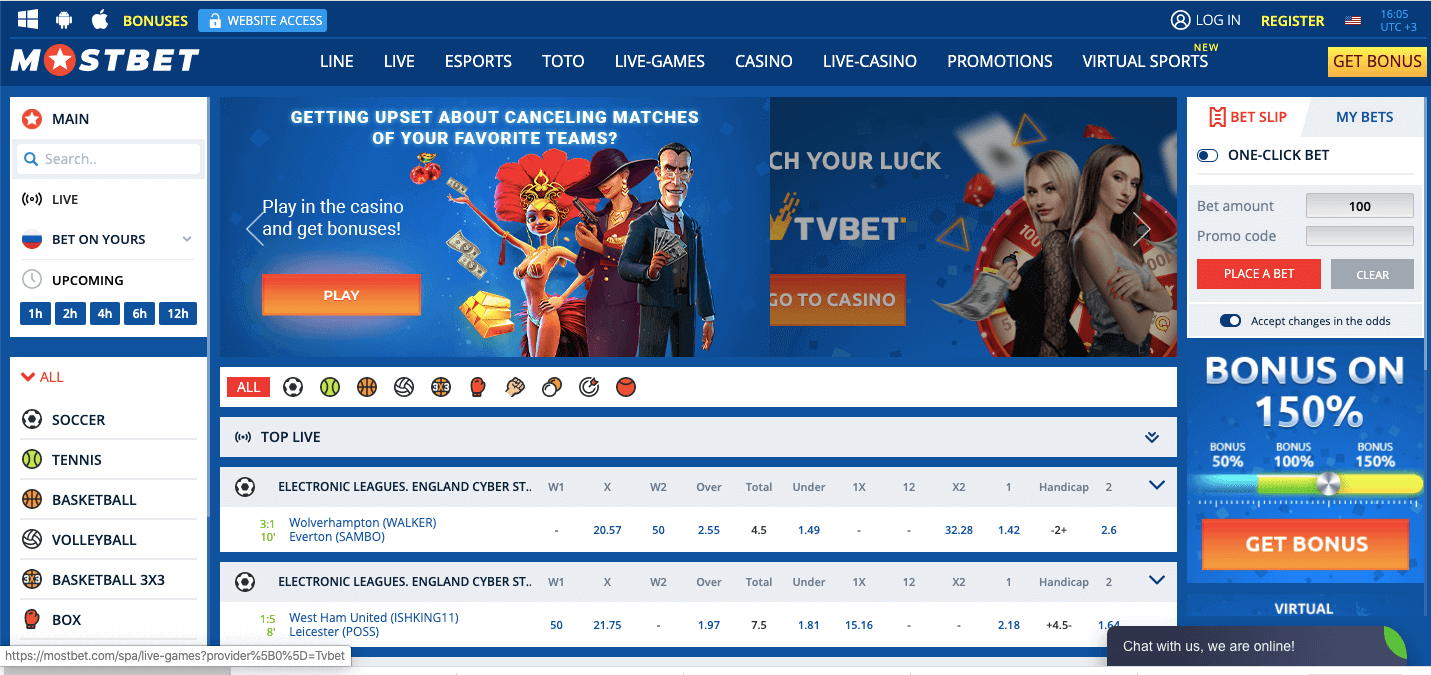
Mostbet

Mostbet Platformasının Xəritəsi – Mostbet-də Qeydiyyat və Giriş – Addım-addım Marşrut

Mostbet Platformasının Xəritəsi – Mostbet-də Qeydiyyat və Giriş – Addım-addım Marşrut

Mostbet Platformasının Xəritəsi – Üstünlüklər, Məhdudiyyətlər və Naviqasiya

Mostbet, Azərbaycanda mərc və kazino həvəskarları arasında geniş tanınan bir platformadır. Bu icmalda, sizi platformanın əsas istiqamətləri ilə tanış edəcəyik: qeydiyyatdan girişə, bonuslardan depozitlərə qədər hər addımı təhlil edəcəyik. Rəqiblər fonunda Mostbet-in güclü və zəif tərəflərini vicdanlı şəkildə qiymətləndirəcəyik. 1 win giriş kimi alternativlər də bazarda mövcuddur, lakin biz diqqətimizi bu platformaya yönəldəcəyik.

Mostbet-də Qeydiyyat və Giriş – Addım-addım Marşrut

Qeydiyyat kursu sadədir: veb saytda “Qeydiyyat” düyməsinə klikləyin və e-poçt, telefon nömrəsi və ya sosial şəbəkə hesabı ilə profilinizi yaradın. Giriş prosesi də eyni dərəcədə asandır – istifadəçi adı və şifrənizi daxil edərək daxil ola bilərsiniz. Rəqiblərlə müqayisədə, Mostbet-in qeydiyyat forması minimal məlumat tələb edir, bu da sürətli başlanğıc üçün əlverişlidir. Lakin bəzi istifadəçilər üçün mənfi cəhət odur ki, təsdiq məktubu bəzən gecikir.

Mobil Tətbiq – Mostbet-i Cibinizdə Daşıyın

Mostbet-in mobil tətbiqi Android və iOS üçün mövcuddur. Rəsmi veb saytdan yüklənə bilər. Tətbiqin interfeysi sadədir və əsas funksiyaları əhatə edir: mərc qoyma, kazino oyunları və depozit/çıxarış əməliyyatları. Rəqiblərə nisbətən, Mostbet tətbiqi daha yüngüldür, yəni az yaddaş yer tutur. Mənfi cəhət isə bəzi yeniləmələrin gecikməsidir.

Mostbet

Bonuslar və Promosyonlar – Mostbet-in Cazibədar Təklifləri

Platforma yeni istifadəçilər üçün xoş gəlmə bonusu təklif edir: ilk depozitə 100%-ə qədər bonus. Bundan əlavə, müntəzəm promosyonlar, cashback və turnirlər var. Rəqiblərlə müqayisədə, Mostbet-in bonus şərtləri daha şəffafdır – mərc tələbləri aydın göstərilib. Lakin bəzi bonuslar yalnız müəyyən oyun növləri üçün keçərlidir, bu da seçim azadlığını məhdudlaşdırır.

Mostbet-də Depozit və Çıxarış – Valyuta və Sürət

Depozitlər üçün ənənəvi üsullar (kartlar, elektron pulqabılar) mövcuddur. Azərbaycan manatı ilə əməliyyatlar dəstəklənir. Çıxarış sürəti ortalama 24 saatdır, lakin KYC təsdiqi tələb olunur. Rəqiblərə nisbətən, Mostbet-in komissiyaları aşağıdır, lakin bəzi ödəniş metodlarında limitlər mövcuddur.

Təhlükəsizlik və KYC – Mostbet-in Qoruyucu Sistemi

Platforma lisenziyalıdır və 128-bit SSL şifrələmə istifadə edir. KYC prosesi zəruridir: şəxsiyyəti təsdiq edən sənəd tələb olunur. Bu, təhlükəsizliyi artırır, lakin bəzi istifadəçilər üçün əlavə vaxt tələb edir. Rəqiblərlə müqayisədə, Mostbet-in təhlükəsizlik protokolları daha sərtdir, bu müsbət cəhətdir.

Dəstək Xidməti – Mostbet-də Naviqator

Müştəri dəstəyi 24/7 canlı söhbət, e-poçt və telefon vasitəsilə mövcuddur. Cavab müddəti ortalama 5 dəqiqədir. Rəqiblərə nisbətən, Mostbet-in dəstəyi daha sürətli reaksiya verir, lakin bəzi suallara cavablar bəzən avtomatlaşdırılmış olur.

Mostbet

Mostbet-in Müsbət və Mənfi Cəhətləri – Cədvəl

Aşağıdakı cədvəldə platformanın əsas üstünlükləri və məhdudiyyətləri ümumiləşdirilmişdir:

Cəhət Müsbət Mənfi
Qeydiyyat Sürətli, minimal məlumat Təsdiq gecikməsi
Mobil tətbiq Yüngül, asan naviqasiya Yeniləmələr gecikir
Bonuslar Şəffaf şərtlər Məhdud oyun seçimləri
Depozit/çıxarış Aşağı komissiyalar Limitlər mövcud
Təhlükəsizlik SSL şifrələmə KYC vaxt aparır
Dəstək 24/7, sürətli cavab Avtomatlaşdırılmış cavablar

Mostbet Platformasının Ümumi Qiymətləndirilməsi

Mostbet, rəqiblər fonunda balanslı bir platformadır. Sürətli qeydiyyat, şəffaf bonuslar və aşağı komissiyalar kimi müsbət cəhətlər, istifadəçiləri cəlb edir. Lakin KYC gecikmələri və məhdud oyun bonusları kimi mənfi tərəflər də diqqətə layiqdir. Naviqator kimi, sizi bu platformanın xəritəsini tamamlamağa dəvət edirik – hər addımda diqqətli olun, lakin çəkinmədən irəliləyin. Mostbet, düzgün istiqamətləndirmə ilə, mərc təcrübənizi zənginləşdirə bilər.

Why Integrated Sportsbook‑Mobile Gaming Platforms Are Outpacing Pure‑Casino Sites

The betting landscape is undergoing a rapid metamorphosis. What once resembled two parallel universes—sports wagering on one side and casino gaming on the other—has merged into a single, mobile‑first ecosystem. Operators now launch hybrid platforms where a user can place a live football bet, spin a slot, and join a live dealer table without ever leaving the app. This convergence is driven by three forces: the ubiquity of smartphones, the ability to push real‑time data to a handheld screen, and loyalty programs that reward activity across product lines.

For those tracking market dynamics, the site https://el-yom.com/ offers a convenient snapshot of regional growth patterns. Readers can visit the portal to see how traffic to hybrid betting sites has risen compared with casino‑only portals over the past twelve months. The data underscores a broader trend: mobile users expect a seamless, all‑in‑one experience, and integrated platforms are delivering exactly that.

1. The Mobile‑First Paradigm Shift in Betting

Smartphones have eclipsed desktop browsers as the primary gateway for gambling. In North America, app‑based sportsbook registrations now exceed 65 % of total new accounts, while traditional casino portals linger around 38 %. The difference is not merely a matter of convenience; it is built into the user interface.

A sportsbook‑centric app prioritises one‑tap bet placement, swipe‑to‑select odds, and push notifications for line movements. By contrast, many pure‑casino sites still rely on multi‑step menus to locate a game, causing friction for users who want to wager on a match that is already in progress.

UI/UX design choices also affect live‑stream integration. Hybrid apps embed high‑definition video feeds directly beneath the betting slip, allowing a bettor to watch a cricket over while adjusting the stake. Casino‑only apps often treat live dealer streams as a separate tab, breaking the flow and reducing the likelihood of impulse betting.

Key mobile advantages

  • Instant account verification via biometric ID
  • Adaptive layouts that resize slots, roulette, or betting grids to any screen size
  • Offline caching of odds tables so users can place bets even on spotty connections

These design nuances give integrated platforms a decisive edge in converting casual browsers into repeat spenders.

2. Real‑Time Data and In‑Play Betting: A Competitive Advantage

The backbone of modern in‑play wagering is a low‑latency data pipeline that ingests odds from multiple bookmakers, enriches them with proprietary algorithms, and pushes updates to the user within milliseconds. This architecture relies on WebSocket connections, edge‑computing nodes, and cloud‑based micro‑services that can scale on demand.

Live odds are no longer static fractions; they evolve with every corner kick, every spin of the roulette wheel. Micro‑betting—such as wagering on the outcome of the next three passes in a basketball possession—requires sub‑second response times. Hybrid operators invest heavily in colocated servers near major sports data providers, trimming latency to under 200 ms.

Pure‑casino sites, whose core product is a static RNG‑driven game, often lack the infrastructure to support such rapid data flows. Their in‑play offerings are typically limited to simple “win‑lose” markets on major events, with delayed odds that can be out‑priced by dedicated sportsbooks.

Impact on engagement and ARPU

Metric Integrated Platform Casino‑Only Site
Average session length (min) 23 14
In‑play bets per user per week 5.2 1.8
Incremental ARPU from live odds $12.4 $3.7

The table illustrates how real‑time data fuels higher engagement. Users who can react instantly to a goal or a sudden shift in momentum tend to place multiple micro‑bets, inflating the average revenue per user (ARPU).

Furthermore, the ability to stream events directly within the app creates a feedback loop: the more a user watches, the more opportunities arise to place a bet, and the higher the perceived value of the platform. Casino‑only operators, lacking this loop, must rely on bonus churn to keep users active, a strategy that erodes long‑term profitability.

3. Cross‑Product Loyalty & Gamification Engines

When a player earns points for every $1 wagered on a football match and the same points apply to slot spins, the incentive structure becomes self‑reinforcing. Integrated platforms therefore design loyalty schemes that span both sportsbook and casino activities, creating a “single wallet” experience.

Typical hybrid loyalty programs feature tiered VIP levels, streak bonuses for consecutive days of betting, and level‑up quests that unlock exclusive promotions. For example, a user who completes the “Weekend Warrior” challenge—placing three live bets and playing 500 spins of an Arab live casino game—receives a 20 % cashback voucher usable on either product.

Gamified challenges that pure casino sites struggle to replicate

  • Dual‑Sport/Slot Quest: Bet on three different sports and hit a jackpot on a progressive slot to earn a “Master Gambler” badge.
  • Live Dealer Marathon: Participate in a 30‑minute live dealer session while maintaining a live‑betting streak; unlock a free‑bet coupon for the next match.
  • AR‑Scavenger Hunt: Use the mobile app’s AR camera to locate virtual tokens at stadiums; tokens convert into free spins or risk‑free bets.

These cross‑product incentives increase “stickiness” by rewarding behaviours that would otherwise be siloed. A casino‑only site can offer tiered casino rewards, but it cannot leverage the excitement of a last‑minute goal to boost loyalty points, nor can it create a unified leaderboard that pits sportsbook bettors against slot enthusiasts.

4. Regulatory Landscape: Flexibility for Hybrid Operators

Licensing regimes across the United States, United Kingdom, and the broader European Union have evolved to treat sports betting and casino gaming as distinct activities, each with its own set of compliance requirements. However, many jurisdictions now issue “multi‑product” licences that allow operators to host both under a single regulatory umbrella.

In the U.S., the Federal Wire Act still restricts interstate sports wagering, but state‑level compacts (e.g., Nevada‑New Jersey) permit hybrid operators to hold separate licences within the same corporate entity. This arrangement lets a company shift marketing spend from a saturated sportsbook market in Nevada to a burgeoning casino market in New Jersey without establishing a new legal entity.

The United Kingdom’s Gambling Commission offers a “Category B” licence that covers both casino games and sports betting, provided the operator adheres to strict anti‑money‑laundering (AML) protocols and responsible‑gaming safeguards. By contrast, a casino‑only licence in the UK imposes tighter limits on promotional offers tied to sports events, reducing the operator’s ability to run cross‑product campaigns.

EU member states such as Malta and Gibraltar have long embraced multi‑product licences, enabling operators to launch a single mobile app that complies with the EU’s General Data Protection Regulation (GDPR) while offering localized betting limits for each sport. This regulatory flexibility translates into faster time‑to‑market and lower compliance overhead for hybrid platforms.

Regulatory benefits for hybrids

  • Ability to diversify revenue streams when a jurisdiction tightens sports betting caps.
  • Shared AML and KYC infrastructure reduces duplication of effort.
  • Unified responsible‑gaming tools (self‑exclusion, loss limits) apply across all product lines, simplifying user experience.

Pure‑casino operators, lacking a sportsbook component, cannot pivot to sports markets when casino regulations become restrictive, leaving them exposed to sudden revenue shocks.

5. Revenue Diversification and Risk Management

A single mobile platform that hosts both sportsbook and casino products creates a natural hedge against market volatility. Sports betting revenue is highly correlated with the sports calendar—peaking during the NFL season, World Cup, or major horse‑racing events—while casino revenue follows a different rhythm, driven by new slot releases, live‑dealer tournaments, and holiday promotions.

By balancing these cycles, hybrid operators achieve smoother cash flow. When a winter slump reduces live‑betting volume, a fresh slot launch (e.g., an Arabic‑themed “Desert Riches” progressive) can sustain daily active users (DAU) and keep ARPU stable.

Financial breakdown (average monthly figures for a mid‑size hybrid operator)

  • Sportsbook net win: $4.2 M (45 % of total)
  • Casino net win: $3.1 M (33 %)
  • Cross‑sell bonuses (free bets, free spins): $0.9 M (12 %)
  • Operational overhead (shared tech stack): $0.8 M (10 %)

Hedging techniques include laying off large exposure on high‑profile matches through third‑party risk‑management firms, while using casino bankrolls to fund promotional free‑bet pools. This dual‑stream approach also protects against seasonal slumps; the casino side can generate steady income during off‑season periods when sports betting volumes dip.

Moreover, the shared mobile infrastructure reduces marginal costs. A single app development team maintains both the sportsbook odds engine and the casino game library, achieving economies of scale that pure‑casino sites cannot match, as they must allocate the entire tech budget to RNG certification, slot licensing, and live‑dealer streaming.

6. Future Trends: AI‑Driven Personalisation & Metaverse Integration

The next wave of innovation will be defined by hyper‑personalisation powered by artificial intelligence. Hybrid platforms can feed betting history, slot volatility preferences, and live‑dealer interaction patterns into a unified AI model. The result is a dynamic odds matrix that adjusts not only to market conditions but also to the individual user’s risk appetite.

Imagine an AI betting assistant that suggests a “double‑chance” wager on a football match because the player has historically favored low‑volatility bets, then immediately offers a 0.5 % RTP boost on a complementary slot spin. Such cross‑product nudges are impossible for a casino‑only site that lacks real‑time sports data.

Metaverse integration will further blur the line between sports and casino experiences. Operators are prototyping VR arenas where users can watch a live basketball game in a virtual stadium, place bets via hand gestures, and then walk over to a virtual slot machine that mirrors the team’s colors. Early pilots in the UK have reported a 30 % increase in time‑spent per session when users engage with both betting and gaming elements in a shared 3D space.

Hybrid platforms are uniquely positioned to lead these developments because they already own the data pipelines, user wallets, and loyalty engines needed to synchronize sports and casino interactions. A pure casino operator would need to build a sports data feed from scratch, negotiate separate licences, and integrate a betting UI—an undertaking that could take years and millions of dollars.

Conclusion

Integrated sportsbook‑mobile gaming platforms have built a competitive moat that pure‑casino sites struggle to breach. Mobile‑first design, real‑time in‑play data, and cross‑product loyalty schemes create a virtuous cycle of engagement and higher ARPU. Regulatory frameworks now favour multi‑product licences, granting hybrids the agility to shift focus as markets evolve. Financially, diversified revenue streams smooth cash flow and enable sophisticated risk‑management tactics. Looking ahead, AI‑driven personalisation and immersive metaverse experiences will reward operators that already blend sportsbook and casino functions. For any operator aiming to dominate the mobile‑driven betting arena, embracing the hybrid model is no longer optional—it is the strategic imperative.

Why Integrated Sportsbook‑Mobile Gaming Platforms Are Outpacing Pure‑Casino Sites

The betting landscape is undergoing a rapid metamorphosis. What once resembled two parallel universes—sports wagering on one side and casino gaming on the other—has merged into a single, mobile‑first ecosystem. Operators now launch hybrid platforms where a user can place a live football bet, spin a slot, and join a live dealer table without ever leaving the app. This convergence is driven by three forces: the ubiquity of smartphones, the ability to push real‑time data to a handheld screen, and loyalty programs that reward activity across product lines.

For those tracking market dynamics, the site https://el-yom.com/ offers a convenient snapshot of regional growth patterns. Readers can visit the portal to see how traffic to hybrid betting sites has risen compared with casino‑only portals over the past twelve months. The data underscores a broader trend: mobile users expect a seamless, all‑in‑one experience, and integrated platforms are delivering exactly that.

1. The Mobile‑First Paradigm Shift in Betting

Smartphones have eclipsed desktop browsers as the primary gateway for gambling. In North America, app‑based sportsbook registrations now exceed 65 % of total new accounts, while traditional casino portals linger around 38 %. The difference is not merely a matter of convenience; it is built into the user interface.

A sportsbook‑centric app prioritises one‑tap bet placement, swipe‑to‑select odds, and push notifications for line movements. By contrast, many pure‑casino sites still rely on multi‑step menus to locate a game, causing friction for users who want to wager on a match that is already in progress.

UI/UX design choices also affect live‑stream integration. Hybrid apps embed high‑definition video feeds directly beneath the betting slip, allowing a bettor to watch a cricket over while adjusting the stake. Casino‑only apps often treat live dealer streams as a separate tab, breaking the flow and reducing the likelihood of impulse betting.

Key mobile advantages

  • Instant account verification via biometric ID
  • Adaptive layouts that resize slots, roulette, or betting grids to any screen size
  • Offline caching of odds tables so users can place bets even on spotty connections

These design nuances give integrated platforms a decisive edge in converting casual browsers into repeat spenders.

2. Real‑Time Data and In‑Play Betting: A Competitive Advantage

The backbone of modern in‑play wagering is a low‑latency data pipeline that ingests odds from multiple bookmakers, enriches them with proprietary algorithms, and pushes updates to the user within milliseconds. This architecture relies on WebSocket connections, edge‑computing nodes, and cloud‑based micro‑services that can scale on demand.

Live odds are no longer static fractions; they evolve with every corner kick, every spin of the roulette wheel. Micro‑betting—such as wagering on the outcome of the next three passes in a basketball possession—requires sub‑second response times. Hybrid operators invest heavily in colocated servers near major sports data providers, trimming latency to under 200 ms.

Pure‑casino sites, whose core product is a static RNG‑driven game, often lack the infrastructure to support such rapid data flows. Their in‑play offerings are typically limited to simple “win‑lose” markets on major events, with delayed odds that can be out‑priced by dedicated sportsbooks.

Impact on engagement and ARPU

Metric Integrated Platform Casino‑Only Site
Average session length (min) 23 14
In‑play bets per user per week 5.2 1.8
Incremental ARPU from live odds $12.4 $3.7

The table illustrates how real‑time data fuels higher engagement. Users who can react instantly to a goal or a sudden shift in momentum tend to place multiple micro‑bets, inflating the average revenue per user (ARPU).

Furthermore, the ability to stream events directly within the app creates a feedback loop: the more a user watches, the more opportunities arise to place a bet, and the higher the perceived value of the platform. Casino‑only operators, lacking this loop, must rely on bonus churn to keep users active, a strategy that erodes long‑term profitability.

3. Cross‑Product Loyalty & Gamification Engines

When a player earns points for every $1 wagered on a football match and the same points apply to slot spins, the incentive structure becomes self‑reinforcing. Integrated platforms therefore design loyalty schemes that span both sportsbook and casino activities, creating a “single wallet” experience.

Typical hybrid loyalty programs feature tiered VIP levels, streak bonuses for consecutive days of betting, and level‑up quests that unlock exclusive promotions. For example, a user who completes the “Weekend Warrior” challenge—placing three live bets and playing 500 spins of an Arab live casino game—receives a 20 % cashback voucher usable on either product.

Gamified challenges that pure casino sites struggle to replicate

  • Dual‑Sport/Slot Quest: Bet on three different sports and hit a jackpot on a progressive slot to earn a “Master Gambler” badge.
  • Live Dealer Marathon: Participate in a 30‑minute live dealer session while maintaining a live‑betting streak; unlock a free‑bet coupon for the next match.
  • AR‑Scavenger Hunt: Use the mobile app’s AR camera to locate virtual tokens at stadiums; tokens convert into free spins or risk‑free bets.

These cross‑product incentives increase “stickiness” by rewarding behaviours that would otherwise be siloed. A casino‑only site can offer tiered casino rewards, but it cannot leverage the excitement of a last‑minute goal to boost loyalty points, nor can it create a unified leaderboard that pits sportsbook bettors against slot enthusiasts.

4. Regulatory Landscape: Flexibility for Hybrid Operators

Licensing regimes across the United States, United Kingdom, and the broader European Union have evolved to treat sports betting and casino gaming as distinct activities, each with its own set of compliance requirements. However, many jurisdictions now issue “multi‑product” licences that allow operators to host both under a single regulatory umbrella.

In the U.S., the Federal Wire Act still restricts interstate sports wagering, but state‑level compacts (e.g., Nevada‑New Jersey) permit hybrid operators to hold separate licences within the same corporate entity. This arrangement lets a company shift marketing spend from a saturated sportsbook market in Nevada to a burgeoning casino market in New Jersey without establishing a new legal entity.

The United Kingdom’s Gambling Commission offers a “Category B” licence that covers both casino games and sports betting, provided the operator adheres to strict anti‑money‑laundering (AML) protocols and responsible‑gaming safeguards. By contrast, a casino‑only licence in the UK imposes tighter limits on promotional offers tied to sports events, reducing the operator’s ability to run cross‑product campaigns.

EU member states such as Malta and Gibraltar have long embraced multi‑product licences, enabling operators to launch a single mobile app that complies with the EU’s General Data Protection Regulation (GDPR) while offering localized betting limits for each sport. This regulatory flexibility translates into faster time‑to‑market and lower compliance overhead for hybrid platforms.

Regulatory benefits for hybrids

  • Ability to diversify revenue streams when a jurisdiction tightens sports betting caps.
  • Shared AML and KYC infrastructure reduces duplication of effort.
  • Unified responsible‑gaming tools (self‑exclusion, loss limits) apply across all product lines, simplifying user experience.

Pure‑casino operators, lacking a sportsbook component, cannot pivot to sports markets when casino regulations become restrictive, leaving them exposed to sudden revenue shocks.

5. Revenue Diversification and Risk Management

A single mobile platform that hosts both sportsbook and casino products creates a natural hedge against market volatility. Sports betting revenue is highly correlated with the sports calendar—peaking during the NFL season, World Cup, or major horse‑racing events—while casino revenue follows a different rhythm, driven by new slot releases, live‑dealer tournaments, and holiday promotions.

By balancing these cycles, hybrid operators achieve smoother cash flow. When a winter slump reduces live‑betting volume, a fresh slot launch (e.g., an Arabic‑themed “Desert Riches” progressive) can sustain daily active users (DAU) and keep ARPU stable.

Financial breakdown (average monthly figures for a mid‑size hybrid operator)

  • Sportsbook net win: $4.2 M (45 % of total)
  • Casino net win: $3.1 M (33 %)
  • Cross‑sell bonuses (free bets, free spins): $0.9 M (12 %)
  • Operational overhead (shared tech stack): $0.8 M (10 %)

Hedging techniques include laying off large exposure on high‑profile matches through third‑party risk‑management firms, while using casino bankrolls to fund promotional free‑bet pools. This dual‑stream approach also protects against seasonal slumps; the casino side can generate steady income during off‑season periods when sports betting volumes dip.

Moreover, the shared mobile infrastructure reduces marginal costs. A single app development team maintains both the sportsbook odds engine and the casino game library, achieving economies of scale that pure‑casino sites cannot match, as they must allocate the entire tech budget to RNG certification, slot licensing, and live‑dealer streaming.

6. Future Trends: AI‑Driven Personalisation & Metaverse Integration

The next wave of innovation will be defined by hyper‑personalisation powered by artificial intelligence. Hybrid platforms can feed betting history, slot volatility preferences, and live‑dealer interaction patterns into a unified AI model. The result is a dynamic odds matrix that adjusts not only to market conditions but also to the individual user’s risk appetite.

Imagine an AI betting assistant that suggests a “double‑chance” wager on a football match because the player has historically favored low‑volatility bets, then immediately offers a 0.5 % RTP boost on a complementary slot spin. Such cross‑product nudges are impossible for a casino‑only site that lacks real‑time sports data.

Metaverse integration will further blur the line between sports and casino experiences. Operators are prototyping VR arenas where users can watch a live basketball game in a virtual stadium, place bets via hand gestures, and then walk over to a virtual slot machine that mirrors the team’s colors. Early pilots in the UK have reported a 30 % increase in time‑spent per session when users engage with both betting and gaming elements in a shared 3D space.

Hybrid platforms are uniquely positioned to lead these developments because they already own the data pipelines, user wallets, and loyalty engines needed to synchronize sports and casino interactions. A pure casino operator would need to build a sports data feed from scratch, negotiate separate licences, and integrate a betting UI—an undertaking that could take years and millions of dollars.

Conclusion

Integrated sportsbook‑mobile gaming platforms have built a competitive moat that pure‑casino sites struggle to breach. Mobile‑first design, real‑time in‑play data, and cross‑product loyalty schemes create a virtuous cycle of engagement and higher ARPU. Regulatory frameworks now favour multi‑product licences, granting hybrids the agility to shift focus as markets evolve. Financially, diversified revenue streams smooth cash flow and enable sophisticated risk‑management tactics. Looking ahead, AI‑driven personalisation and immersive metaverse experiences will reward operators that already blend sportsbook and casino functions. For any operator aiming to dominate the mobile‑driven betting arena, embracing the hybrid model is no longer optional—it is the strategic imperative.

Why Integrated Sportsbook‑Mobile Gaming Platforms Are Outpacing Pure‑Casino Sites

The betting landscape is undergoing a rapid metamorphosis. What once resembled two parallel universes—sports wagering on one side and casino gaming on the other—has merged into a single, mobile‑first ecosystem. Operators now launch hybrid platforms where a user can place a live football bet, spin a slot, and join a live dealer table without ever leaving the app. This convergence is driven by three forces: the ubiquity of smartphones, the ability to push real‑time data to a handheld screen, and loyalty programs that reward activity across product lines.

For those tracking market dynamics, the site https://el-yom.com/ offers a convenient snapshot of regional growth patterns. Readers can visit the portal to see how traffic to hybrid betting sites has risen compared with casino‑only portals over the past twelve months. The data underscores a broader trend: mobile users expect a seamless, all‑in‑one experience, and integrated platforms are delivering exactly that.

1. The Mobile‑First Paradigm Shift in Betting

Smartphones have eclipsed desktop browsers as the primary gateway for gambling. In North America, app‑based sportsbook registrations now exceed 65 % of total new accounts, while traditional casino portals linger around 38 %. The difference is not merely a matter of convenience; it is built into the user interface.

A sportsbook‑centric app prioritises one‑tap bet placement, swipe‑to‑select odds, and push notifications for line movements. By contrast, many pure‑casino sites still rely on multi‑step menus to locate a game, causing friction for users who want to wager on a match that is already in progress.

UI/UX design choices also affect live‑stream integration. Hybrid apps embed high‑definition video feeds directly beneath the betting slip, allowing a bettor to watch a cricket over while adjusting the stake. Casino‑only apps often treat live dealer streams as a separate tab, breaking the flow and reducing the likelihood of impulse betting.

Key mobile advantages

  • Instant account verification via biometric ID
  • Adaptive layouts that resize slots, roulette, or betting grids to any screen size
  • Offline caching of odds tables so users can place bets even on spotty connections

These design nuances give integrated platforms a decisive edge in converting casual browsers into repeat spenders.

2. Real‑Time Data and In‑Play Betting: A Competitive Advantage

The backbone of modern in‑play wagering is a low‑latency data pipeline that ingests odds from multiple bookmakers, enriches them with proprietary algorithms, and pushes updates to the user within milliseconds. This architecture relies on WebSocket connections, edge‑computing nodes, and cloud‑based micro‑services that can scale on demand.

Live odds are no longer static fractions; they evolve with every corner kick, every spin of the roulette wheel. Micro‑betting—such as wagering on the outcome of the next three passes in a basketball possession—requires sub‑second response times. Hybrid operators invest heavily in colocated servers near major sports data providers, trimming latency to under 200 ms.

Pure‑casino sites, whose core product is a static RNG‑driven game, often lack the infrastructure to support such rapid data flows. Their in‑play offerings are typically limited to simple “win‑lose” markets on major events, with delayed odds that can be out‑priced by dedicated sportsbooks.

Impact on engagement and ARPU

Metric Integrated Platform Casino‑Only Site
Average session length (min) 23 14
In‑play bets per user per week 5.2 1.8
Incremental ARPU from live odds $12.4 $3.7

The table illustrates how real‑time data fuels higher engagement. Users who can react instantly to a goal or a sudden shift in momentum tend to place multiple micro‑bets, inflating the average revenue per user (ARPU).

Furthermore, the ability to stream events directly within the app creates a feedback loop: the more a user watches, the more opportunities arise to place a bet, and the higher the perceived value of the platform. Casino‑only operators, lacking this loop, must rely on bonus churn to keep users active, a strategy that erodes long‑term profitability.

3. Cross‑Product Loyalty & Gamification Engines

When a player earns points for every $1 wagered on a football match and the same points apply to slot spins, the incentive structure becomes self‑reinforcing. Integrated platforms therefore design loyalty schemes that span both sportsbook and casino activities, creating a “single wallet” experience.

Typical hybrid loyalty programs feature tiered VIP levels, streak bonuses for consecutive days of betting, and level‑up quests that unlock exclusive promotions. For example, a user who completes the “Weekend Warrior” challenge—placing three live bets and playing 500 spins of an Arab live casino game—receives a 20 % cashback voucher usable on either product.

Gamified challenges that pure casino sites struggle to replicate

  • Dual‑Sport/Slot Quest: Bet on three different sports and hit a jackpot on a progressive slot to earn a “Master Gambler” badge.
  • Live Dealer Marathon: Participate in a 30‑minute live dealer session while maintaining a live‑betting streak; unlock a free‑bet coupon for the next match.
  • AR‑Scavenger Hunt: Use the mobile app’s AR camera to locate virtual tokens at stadiums; tokens convert into free spins or risk‑free bets.

These cross‑product incentives increase “stickiness” by rewarding behaviours that would otherwise be siloed. A casino‑only site can offer tiered casino rewards, but it cannot leverage the excitement of a last‑minute goal to boost loyalty points, nor can it create a unified leaderboard that pits sportsbook bettors against slot enthusiasts.

4. Regulatory Landscape: Flexibility for Hybrid Operators

Licensing regimes across the United States, United Kingdom, and the broader European Union have evolved to treat sports betting and casino gaming as distinct activities, each with its own set of compliance requirements. However, many jurisdictions now issue “multi‑product” licences that allow operators to host both under a single regulatory umbrella.

In the U.S., the Federal Wire Act still restricts interstate sports wagering, but state‑level compacts (e.g., Nevada‑New Jersey) permit hybrid operators to hold separate licences within the same corporate entity. This arrangement lets a company shift marketing spend from a saturated sportsbook market in Nevada to a burgeoning casino market in New Jersey without establishing a new legal entity.

The United Kingdom’s Gambling Commission offers a “Category B” licence that covers both casino games and sports betting, provided the operator adheres to strict anti‑money‑laundering (AML) protocols and responsible‑gaming safeguards. By contrast, a casino‑only licence in the UK imposes tighter limits on promotional offers tied to sports events, reducing the operator’s ability to run cross‑product campaigns.

EU member states such as Malta and Gibraltar have long embraced multi‑product licences, enabling operators to launch a single mobile app that complies with the EU’s General Data Protection Regulation (GDPR) while offering localized betting limits for each sport. This regulatory flexibility translates into faster time‑to‑market and lower compliance overhead for hybrid platforms.

Regulatory benefits for hybrids

  • Ability to diversify revenue streams when a jurisdiction tightens sports betting caps.
  • Shared AML and KYC infrastructure reduces duplication of effort.
  • Unified responsible‑gaming tools (self‑exclusion, loss limits) apply across all product lines, simplifying user experience.

Pure‑casino operators, lacking a sportsbook component, cannot pivot to sports markets when casino regulations become restrictive, leaving them exposed to sudden revenue shocks.

5. Revenue Diversification and Risk Management

A single mobile platform that hosts both sportsbook and casino products creates a natural hedge against market volatility. Sports betting revenue is highly correlated with the sports calendar—peaking during the NFL season, World Cup, or major horse‑racing events—while casino revenue follows a different rhythm, driven by new slot releases, live‑dealer tournaments, and holiday promotions.

By balancing these cycles, hybrid operators achieve smoother cash flow. When a winter slump reduces live‑betting volume, a fresh slot launch (e.g., an Arabic‑themed “Desert Riches” progressive) can sustain daily active users (DAU) and keep ARPU stable.

Financial breakdown (average monthly figures for a mid‑size hybrid operator)

  • Sportsbook net win: $4.2 M (45 % of total)
  • Casino net win: $3.1 M (33 %)
  • Cross‑sell bonuses (free bets, free spins): $0.9 M (12 %)
  • Operational overhead (shared tech stack): $0.8 M (10 %)

Hedging techniques include laying off large exposure on high‑profile matches through third‑party risk‑management firms, while using casino bankrolls to fund promotional free‑bet pools. This dual‑stream approach also protects against seasonal slumps; the casino side can generate steady income during off‑season periods when sports betting volumes dip.

Moreover, the shared mobile infrastructure reduces marginal costs. A single app development team maintains both the sportsbook odds engine and the casino game library, achieving economies of scale that pure‑casino sites cannot match, as they must allocate the entire tech budget to RNG certification, slot licensing, and live‑dealer streaming.

6. Future Trends: AI‑Driven Personalisation & Metaverse Integration

The next wave of innovation will be defined by hyper‑personalisation powered by artificial intelligence. Hybrid platforms can feed betting history, slot volatility preferences, and live‑dealer interaction patterns into a unified AI model. The result is a dynamic odds matrix that adjusts not only to market conditions but also to the individual user’s risk appetite.

Imagine an AI betting assistant that suggests a “double‑chance” wager on a football match because the player has historically favored low‑volatility bets, then immediately offers a 0.5 % RTP boost on a complementary slot spin. Such cross‑product nudges are impossible for a casino‑only site that lacks real‑time sports data.

Metaverse integration will further blur the line between sports and casino experiences. Operators are prototyping VR arenas where users can watch a live basketball game in a virtual stadium, place bets via hand gestures, and then walk over to a virtual slot machine that mirrors the team’s colors. Early pilots in the UK have reported a 30 % increase in time‑spent per session when users engage with both betting and gaming elements in a shared 3D space.

Hybrid platforms are uniquely positioned to lead these developments because they already own the data pipelines, user wallets, and loyalty engines needed to synchronize sports and casino interactions. A pure casino operator would need to build a sports data feed from scratch, negotiate separate licences, and integrate a betting UI—an undertaking that could take years and millions of dollars.

Conclusion

Integrated sportsbook‑mobile gaming platforms have built a competitive moat that pure‑casino sites struggle to breach. Mobile‑first design, real‑time in‑play data, and cross‑product loyalty schemes create a virtuous cycle of engagement and higher ARPU. Regulatory frameworks now favour multi‑product licences, granting hybrids the agility to shift focus as markets evolve. Financially, diversified revenue streams smooth cash flow and enable sophisticated risk‑management tactics. Looking ahead, AI‑driven personalisation and immersive metaverse experiences will reward operators that already blend sportsbook and casino functions. For any operator aiming to dominate the mobile‑driven betting arena, embracing the hybrid model is no longer optional—it is the strategic imperative.

Why Integrated Sportsbook‑Mobile Gaming Platforms Are Outpacing Pure‑Casino Sites

The betting landscape is undergoing a rapid metamorphosis. What once resembled two parallel universes—sports wagering on one side and casino gaming on the other—has merged into a single, mobile‑first ecosystem. Operators now launch hybrid platforms where a user can place a live football bet, spin a slot, and join a live dealer table without ever leaving the app. This convergence is driven by three forces: the ubiquity of smartphones, the ability to push real‑time data to a handheld screen, and loyalty programs that reward activity across product lines.

For those tracking market dynamics, the site https://el-yom.com/ offers a convenient snapshot of regional growth patterns. Readers can visit the portal to see how traffic to hybrid betting sites has risen compared with casino‑only portals over the past twelve months. The data underscores a broader trend: mobile users expect a seamless, all‑in‑one experience, and integrated platforms are delivering exactly that.

1. The Mobile‑First Paradigm Shift in Betting

Smartphones have eclipsed desktop browsers as the primary gateway for gambling. In North America, app‑based sportsbook registrations now exceed 65 % of total new accounts, while traditional casino portals linger around 38 %. The difference is not merely a matter of convenience; it is built into the user interface.

A sportsbook‑centric app prioritises one‑tap bet placement, swipe‑to‑select odds, and push notifications for line movements. By contrast, many pure‑casino sites still rely on multi‑step menus to locate a game, causing friction for users who want to wager on a match that is already in progress.

UI/UX design choices also affect live‑stream integration. Hybrid apps embed high‑definition video feeds directly beneath the betting slip, allowing a bettor to watch a cricket over while adjusting the stake. Casino‑only apps often treat live dealer streams as a separate tab, breaking the flow and reducing the likelihood of impulse betting.

Key mobile advantages

  • Instant account verification via biometric ID
  • Adaptive layouts that resize slots, roulette, or betting grids to any screen size
  • Offline caching of odds tables so users can place bets even on spotty connections

These design nuances give integrated platforms a decisive edge in converting casual browsers into repeat spenders.

2. Real‑Time Data and In‑Play Betting: A Competitive Advantage

The backbone of modern in‑play wagering is a low‑latency data pipeline that ingests odds from multiple bookmakers, enriches them with proprietary algorithms, and pushes updates to the user within milliseconds. This architecture relies on WebSocket connections, edge‑computing nodes, and cloud‑based micro‑services that can scale on demand.

Live odds are no longer static fractions; they evolve with every corner kick, every spin of the roulette wheel. Micro‑betting—such as wagering on the outcome of the next three passes in a basketball possession—requires sub‑second response times. Hybrid operators invest heavily in colocated servers near major sports data providers, trimming latency to under 200 ms.

Pure‑casino sites, whose core product is a static RNG‑driven game, often lack the infrastructure to support such rapid data flows. Their in‑play offerings are typically limited to simple “win‑lose” markets on major events, with delayed odds that can be out‑priced by dedicated sportsbooks.

Impact on engagement and ARPU

Metric Integrated Platform Casino‑Only Site
Average session length (min) 23 14
In‑play bets per user per week 5.2 1.8
Incremental ARPU from live odds $12.4 $3.7

The table illustrates how real‑time data fuels higher engagement. Users who can react instantly to a goal or a sudden shift in momentum tend to place multiple micro‑bets, inflating the average revenue per user (ARPU).

Furthermore, the ability to stream events directly within the app creates a feedback loop: the more a user watches, the more opportunities arise to place a bet, and the higher the perceived value of the platform. Casino‑only operators, lacking this loop, must rely on bonus churn to keep users active, a strategy that erodes long‑term profitability.

3. Cross‑Product Loyalty & Gamification Engines

When a player earns points for every $1 wagered on a football match and the same points apply to slot spins, the incentive structure becomes self‑reinforcing. Integrated platforms therefore design loyalty schemes that span both sportsbook and casino activities, creating a “single wallet” experience.

Typical hybrid loyalty programs feature tiered VIP levels, streak bonuses for consecutive days of betting, and level‑up quests that unlock exclusive promotions. For example, a user who completes the “Weekend Warrior” challenge—placing three live bets and playing 500 spins of an Arab live casino game—receives a 20 % cashback voucher usable on either product.

Gamified challenges that pure casino sites struggle to replicate

  • Dual‑Sport/Slot Quest: Bet on three different sports and hit a jackpot on a progressive slot to earn a “Master Gambler” badge.
  • Live Dealer Marathon: Participate in a 30‑minute live dealer session while maintaining a live‑betting streak; unlock a free‑bet coupon for the next match.
  • AR‑Scavenger Hunt: Use the mobile app’s AR camera to locate virtual tokens at stadiums; tokens convert into free spins or risk‑free bets.

These cross‑product incentives increase “stickiness” by rewarding behaviours that would otherwise be siloed. A casino‑only site can offer tiered casino rewards, but it cannot leverage the excitement of a last‑minute goal to boost loyalty points, nor can it create a unified leaderboard that pits sportsbook bettors against slot enthusiasts.

4. Regulatory Landscape: Flexibility for Hybrid Operators

Licensing regimes across the United States, United Kingdom, and the broader European Union have evolved to treat sports betting and casino gaming as distinct activities, each with its own set of compliance requirements. However, many jurisdictions now issue “multi‑product” licences that allow operators to host both under a single regulatory umbrella.

In the U.S., the Federal Wire Act still restricts interstate sports wagering, but state‑level compacts (e.g., Nevada‑New Jersey) permit hybrid operators to hold separate licences within the same corporate entity. This arrangement lets a company shift marketing spend from a saturated sportsbook market in Nevada to a burgeoning casino market in New Jersey without establishing a new legal entity.

The United Kingdom’s Gambling Commission offers a “Category B” licence that covers both casino games and sports betting, provided the operator adheres to strict anti‑money‑laundering (AML) protocols and responsible‑gaming safeguards. By contrast, a casino‑only licence in the UK imposes tighter limits on promotional offers tied to sports events, reducing the operator’s ability to run cross‑product campaigns.

EU member states such as Malta and Gibraltar have long embraced multi‑product licences, enabling operators to launch a single mobile app that complies with the EU’s General Data Protection Regulation (GDPR) while offering localized betting limits for each sport. This regulatory flexibility translates into faster time‑to‑market and lower compliance overhead for hybrid platforms.

Regulatory benefits for hybrids

  • Ability to diversify revenue streams when a jurisdiction tightens sports betting caps.
  • Shared AML and KYC infrastructure reduces duplication of effort.
  • Unified responsible‑gaming tools (self‑exclusion, loss limits) apply across all product lines, simplifying user experience.

Pure‑casino operators, lacking a sportsbook component, cannot pivot to sports markets when casino regulations become restrictive, leaving them exposed to sudden revenue shocks.

5. Revenue Diversification and Risk Management

A single mobile platform that hosts both sportsbook and casino products creates a natural hedge against market volatility. Sports betting revenue is highly correlated with the sports calendar—peaking during the NFL season, World Cup, or major horse‑racing events—while casino revenue follows a different rhythm, driven by new slot releases, live‑dealer tournaments, and holiday promotions.

By balancing these cycles, hybrid operators achieve smoother cash flow. When a winter slump reduces live‑betting volume, a fresh slot launch (e.g., an Arabic‑themed “Desert Riches” progressive) can sustain daily active users (DAU) and keep ARPU stable.

Financial breakdown (average monthly figures for a mid‑size hybrid operator)

  • Sportsbook net win: $4.2 M (45 % of total)
  • Casino net win: $3.1 M (33 %)
  • Cross‑sell bonuses (free bets, free spins): $0.9 M (12 %)
  • Operational overhead (shared tech stack): $0.8 M (10 %)

Hedging techniques include laying off large exposure on high‑profile matches through third‑party risk‑management firms, while using casino bankrolls to fund promotional free‑bet pools. This dual‑stream approach also protects against seasonal slumps; the casino side can generate steady income during off‑season periods when sports betting volumes dip.

Moreover, the shared mobile infrastructure reduces marginal costs. A single app development team maintains both the sportsbook odds engine and the casino game library, achieving economies of scale that pure‑casino sites cannot match, as they must allocate the entire tech budget to RNG certification, slot licensing, and live‑dealer streaming.

6. Future Trends: AI‑Driven Personalisation & Metaverse Integration

The next wave of innovation will be defined by hyper‑personalisation powered by artificial intelligence. Hybrid platforms can feed betting history, slot volatility preferences, and live‑dealer interaction patterns into a unified AI model. The result is a dynamic odds matrix that adjusts not only to market conditions but also to the individual user’s risk appetite.

Imagine an AI betting assistant that suggests a “double‑chance” wager on a football match because the player has historically favored low‑volatility bets, then immediately offers a 0.5 % RTP boost on a complementary slot spin. Such cross‑product nudges are impossible for a casino‑only site that lacks real‑time sports data.

Metaverse integration will further blur the line between sports and casino experiences. Operators are prototyping VR arenas where users can watch a live basketball game in a virtual stadium, place bets via hand gestures, and then walk over to a virtual slot machine that mirrors the team’s colors. Early pilots in the UK have reported a 30 % increase in time‑spent per session when users engage with both betting and gaming elements in a shared 3D space.

Hybrid platforms are uniquely positioned to lead these developments because they already own the data pipelines, user wallets, and loyalty engines needed to synchronize sports and casino interactions. A pure casino operator would need to build a sports data feed from scratch, negotiate separate licences, and integrate a betting UI—an undertaking that could take years and millions of dollars.

Conclusion

Integrated sportsbook‑mobile gaming platforms have built a competitive moat that pure‑casino sites struggle to breach. Mobile‑first design, real‑time in‑play data, and cross‑product loyalty schemes create a virtuous cycle of engagement and higher ARPU. Regulatory frameworks now favour multi‑product licences, granting hybrids the agility to shift focus as markets evolve. Financially, diversified revenue streams smooth cash flow and enable sophisticated risk‑management tactics. Looking ahead, AI‑driven personalisation and immersive metaverse experiences will reward operators that already blend sportsbook and casino functions. For any operator aiming to dominate the mobile‑driven betting arena, embracing the hybrid model is no longer optional—it is the strategic imperative.

Why Integrated Sportsbook‑Mobile Gaming Platforms Are Outpacing Pure‑Casino Sites

The betting landscape is undergoing a rapid metamorphosis. What once resembled two parallel universes—sports wagering on one side and casino gaming on the other—has merged into a single, mobile‑first ecosystem. Operators now launch hybrid platforms where a user can place a live football bet, spin a slot, and join a live dealer table without ever leaving the app. This convergence is driven by three forces: the ubiquity of smartphones, the ability to push real‑time data to a handheld screen, and loyalty programs that reward activity across product lines.

For those tracking market dynamics, the site https://el-yom.com/ offers a convenient snapshot of regional growth patterns. Readers can visit the portal to see how traffic to hybrid betting sites has risen compared with casino‑only portals over the past twelve months. The data underscores a broader trend: mobile users expect a seamless, all‑in‑one experience, and integrated platforms are delivering exactly that.

1. The Mobile‑First Paradigm Shift in Betting

Smartphones have eclipsed desktop browsers as the primary gateway for gambling. In North America, app‑based sportsbook registrations now exceed 65 % of total new accounts, while traditional casino portals linger around 38 %. The difference is not merely a matter of convenience; it is built into the user interface.

A sportsbook‑centric app prioritises one‑tap bet placement, swipe‑to‑select odds, and push notifications for line movements. By contrast, many pure‑casino sites still rely on multi‑step menus to locate a game, causing friction for users who want to wager on a match that is already in progress.

UI/UX design choices also affect live‑stream integration. Hybrid apps embed high‑definition video feeds directly beneath the betting slip, allowing a bettor to watch a cricket over while adjusting the stake. Casino‑only apps often treat live dealer streams as a separate tab, breaking the flow and reducing the likelihood of impulse betting.

Key mobile advantages

  • Instant account verification via biometric ID
  • Adaptive layouts that resize slots, roulette, or betting grids to any screen size
  • Offline caching of odds tables so users can place bets even on spotty connections

These design nuances give integrated platforms a decisive edge in converting casual browsers into repeat spenders.

2. Real‑Time Data and In‑Play Betting: A Competitive Advantage

The backbone of modern in‑play wagering is a low‑latency data pipeline that ingests odds from multiple bookmakers, enriches them with proprietary algorithms, and pushes updates to the user within milliseconds. This architecture relies on WebSocket connections, edge‑computing nodes, and cloud‑based micro‑services that can scale on demand.

Live odds are no longer static fractions; they evolve with every corner kick, every spin of the roulette wheel. Micro‑betting—such as wagering on the outcome of the next three passes in a basketball possession—requires sub‑second response times. Hybrid operators invest heavily in colocated servers near major sports data providers, trimming latency to under 200 ms.

Pure‑casino sites, whose core product is a static RNG‑driven game, often lack the infrastructure to support such rapid data flows. Their in‑play offerings are typically limited to simple “win‑lose” markets on major events, with delayed odds that can be out‑priced by dedicated sportsbooks.

Impact on engagement and ARPU

Metric Integrated Platform Casino‑Only Site
Average session length (min) 23 14
In‑play bets per user per week 5.2 1.8
Incremental ARPU from live odds $12.4 $3.7

The table illustrates how real‑time data fuels higher engagement. Users who can react instantly to a goal or a sudden shift in momentum tend to place multiple micro‑bets, inflating the average revenue per user (ARPU).

Furthermore, the ability to stream events directly within the app creates a feedback loop: the more a user watches, the more opportunities arise to place a bet, and the higher the perceived value of the platform. Casino‑only operators, lacking this loop, must rely on bonus churn to keep users active, a strategy that erodes long‑term profitability.

3. Cross‑Product Loyalty & Gamification Engines

When a player earns points for every $1 wagered on a football match and the same points apply to slot spins, the incentive structure becomes self‑reinforcing. Integrated platforms therefore design loyalty schemes that span both sportsbook and casino activities, creating a “single wallet” experience.

Typical hybrid loyalty programs feature tiered VIP levels, streak bonuses for consecutive days of betting, and level‑up quests that unlock exclusive promotions. For example, a user who completes the “Weekend Warrior” challenge—placing three live bets and playing 500 spins of an Arab live casino game—receives a 20 % cashback voucher usable on either product.

Gamified challenges that pure casino sites struggle to replicate

  • Dual‑Sport/Slot Quest: Bet on three different sports and hit a jackpot on a progressive slot to earn a “Master Gambler” badge.
  • Live Dealer Marathon: Participate in a 30‑minute live dealer session while maintaining a live‑betting streak; unlock a free‑bet coupon for the next match.
  • AR‑Scavenger Hunt: Use the mobile app’s AR camera to locate virtual tokens at stadiums; tokens convert into free spins or risk‑free bets.

These cross‑product incentives increase “stickiness” by rewarding behaviours that would otherwise be siloed. A casino‑only site can offer tiered casino rewards, but it cannot leverage the excitement of a last‑minute goal to boost loyalty points, nor can it create a unified leaderboard that pits sportsbook bettors against slot enthusiasts.

4. Regulatory Landscape: Flexibility for Hybrid Operators

Licensing regimes across the United States, United Kingdom, and the broader European Union have evolved to treat sports betting and casino gaming as distinct activities, each with its own set of compliance requirements. However, many jurisdictions now issue “multi‑product” licences that allow operators to host both under a single regulatory umbrella.

In the U.S., the Federal Wire Act still restricts interstate sports wagering, but state‑level compacts (e.g., Nevada‑New Jersey) permit hybrid operators to hold separate licences within the same corporate entity. This arrangement lets a company shift marketing spend from a saturated sportsbook market in Nevada to a burgeoning casino market in New Jersey without establishing a new legal entity.

The United Kingdom’s Gambling Commission offers a “Category B” licence that covers both casino games and sports betting, provided the operator adheres to strict anti‑money‑laundering (AML) protocols and responsible‑gaming safeguards. By contrast, a casino‑only licence in the UK imposes tighter limits on promotional offers tied to sports events, reducing the operator’s ability to run cross‑product campaigns.

EU member states such as Malta and Gibraltar have long embraced multi‑product licences, enabling operators to launch a single mobile app that complies with the EU’s General Data Protection Regulation (GDPR) while offering localized betting limits for each sport. This regulatory flexibility translates into faster time‑to‑market and lower compliance overhead for hybrid platforms.

Regulatory benefits for hybrids

  • Ability to diversify revenue streams when a jurisdiction tightens sports betting caps.
  • Shared AML and KYC infrastructure reduces duplication of effort.
  • Unified responsible‑gaming tools (self‑exclusion, loss limits) apply across all product lines, simplifying user experience.

Pure‑casino operators, lacking a sportsbook component, cannot pivot to sports markets when casino regulations become restrictive, leaving them exposed to sudden revenue shocks.

5. Revenue Diversification and Risk Management

A single mobile platform that hosts both sportsbook and casino products creates a natural hedge against market volatility. Sports betting revenue is highly correlated with the sports calendar—peaking during the NFL season, World Cup, or major horse‑racing events—while casino revenue follows a different rhythm, driven by new slot releases, live‑dealer tournaments, and holiday promotions.

By balancing these cycles, hybrid operators achieve smoother cash flow. When a winter slump reduces live‑betting volume, a fresh slot launch (e.g., an Arabic‑themed “Desert Riches” progressive) can sustain daily active users (DAU) and keep ARPU stable.

Financial breakdown (average monthly figures for a mid‑size hybrid operator)

  • Sportsbook net win: $4.2 M (45 % of total)
  • Casino net win: $3.1 M (33 %)
  • Cross‑sell bonuses (free bets, free spins): $0.9 M (12 %)
  • Operational overhead (shared tech stack): $0.8 M (10 %)

Hedging techniques include laying off large exposure on high‑profile matches through third‑party risk‑management firms, while using casino bankrolls to fund promotional free‑bet pools. This dual‑stream approach also protects against seasonal slumps; the casino side can generate steady income during off‑season periods when sports betting volumes dip.

Moreover, the shared mobile infrastructure reduces marginal costs. A single app development team maintains both the sportsbook odds engine and the casino game library, achieving economies of scale that pure‑casino sites cannot match, as they must allocate the entire tech budget to RNG certification, slot licensing, and live‑dealer streaming.

6. Future Trends: AI‑Driven Personalisation & Metaverse Integration

The next wave of innovation will be defined by hyper‑personalisation powered by artificial intelligence. Hybrid platforms can feed betting history, slot volatility preferences, and live‑dealer interaction patterns into a unified AI model. The result is a dynamic odds matrix that adjusts not only to market conditions but also to the individual user’s risk appetite.

Imagine an AI betting assistant that suggests a “double‑chance” wager on a football match because the player has historically favored low‑volatility bets, then immediately offers a 0.5 % RTP boost on a complementary slot spin. Such cross‑product nudges are impossible for a casino‑only site that lacks real‑time sports data.

Metaverse integration will further blur the line between sports and casino experiences. Operators are prototyping VR arenas where users can watch a live basketball game in a virtual stadium, place bets via hand gestures, and then walk over to a virtual slot machine that mirrors the team’s colors. Early pilots in the UK have reported a 30 % increase in time‑spent per session when users engage with both betting and gaming elements in a shared 3D space.

Hybrid platforms are uniquely positioned to lead these developments because they already own the data pipelines, user wallets, and loyalty engines needed to synchronize sports and casino interactions. A pure casino operator would need to build a sports data feed from scratch, negotiate separate licences, and integrate a betting UI—an undertaking that could take years and millions of dollars.

Conclusion

Integrated sportsbook‑mobile gaming platforms have built a competitive moat that pure‑casino sites struggle to breach. Mobile‑first design, real‑time in‑play data, and cross‑product loyalty schemes create a virtuous cycle of engagement and higher ARPU. Regulatory frameworks now favour multi‑product licences, granting hybrids the agility to shift focus as markets evolve. Financially, diversified revenue streams smooth cash flow and enable sophisticated risk‑management tactics. Looking ahead, AI‑driven personalisation and immersive metaverse experiences will reward operators that already blend sportsbook and casino functions. For any operator aiming to dominate the mobile‑driven betting arena, embracing the hybrid model is no longer optional—it is the strategic imperative.

Il Black Friday del Calcio: Come le Scommesse Sportive e i Bonus dei Casinò Influenzano la Mente del Giocatore

Il Black Friday è ormai sinonimo di sconti strabilianti, ma negli ultimi anni ha assunto una veste altrettanto potente nel mondo dell’iGaming. Retail, elettronica e moda si contendono l’attenzione dei consumatori; allo stesso tempo, i casinò online e le piattaforme di scommesse sportive lanciano promozioni “black‑friday‑style” che promettono bonus enormi, free spin illimitati e quote migliorate per poche ore.

nuovi casino non aams è un punto di riferimento per chi vuole capire le differenze tra i casinò con licenza estera e quelli regolamentati dall’AAMS, ma non è un operatore. Nella stagione della Coppa del Mondo, quando le nazioni si sfidano sul prato e i fan sono già in modalità “tutto o niente”, queste offerte si mescolano a una tensione sportiva senza precedenti.

Il risultato è un contesto psicologico unico: la pressione di non perdere un’occasione, la percezione di valore aggiunto e la ricerca compulsiva di bonus. Nei paragrafi seguenti analizzeremo il FOMO, la gambler’s fallacy, l’ancoraggio cognitivo e altri meccanismi mentali, per poi offrire consigli pratici su come giocare in modo consapevole durante questo periodo di alta attività.

1. L’effetto “FOMO” (Fear Of Missing Out) durante il Black Friday sportivo

Il timore di perdere un’opportunità vantaggiosa è il motore principale del FOMO. Quando le quote dei principali incontri della Coppa del Mondo vengono temporaneamente migliorate e i casinò pubblicizzano free spin “solo per oggi”, il giocatore avverte un’urgenza quasi fisiologica.

Questo impulso spinge molti a piazzare scommesse su partite per le quali non hanno effettuato una ricerca approfondita. Un esempio tipico è la scommessa su un risultato esatto di una finale di gruppo senza aver valutato gli infortuni recenti o le statistiche di possesso palla.

Le offerte limitate dei casinò – ad esempio 100 % di bonus sul primo deposito più 50 free spin se si scommette entro le 24 ore – creano una scarica dopamina simile a quella dei social media: il giocatore sente di aver “catturato” un affare, anche se il valore reale è ridotto da requisiti di wagering elevati.

Strategie anti‑FOMO
– Stabilisci una lista di partite su cui sei veramente informato.
– Usa un timer: se l’offerta scade prima che tu abbia completato l’analisi, lasciala scadere.
– Consulta risorse neutre come Casinononaamssonolegali per confrontare le condizioni dei bonus senza pressione.

2. La “Gambler’s Fallacy” nel contesto della Coppa del Mondo

La gambler’s fallacy è la convinzione che una sequenza di risultati “sbagliati” aumenti la probabilità di un risultato “giusto”. Durante la Coppa del Mondo è facile osservare una squadra che perde tre partite consecutive e pensare che il prossimo incontro sia destinato a una vittoria.

Nel mondo dei casinò, questo ragionamento si traduce in comportamenti come il raddoppio della puntata su una slot machine dopo una serie di spin perdenti, credendo che la “sorte” si stia per ripristinare. I bonus “re‑load”, ad esempio un 50 % di credito extra dopo una perdita di €100, rinforzano l’illusione: il giocatore percepisce il bonus come una “correzione” della sfortuna.

Un caso concreto: un fan italiano, convinto che il Brasile debba vincere dopo due sconfitte, scommette €200 su un risultato 2‑1 nella fase ad eliminazione diretta, ignorando le statistiche di difesa avversaria. Allo stesso tempo, utilizza un bonus “cash‑back” del 20 % offerto da un casino online non AAMS, pensando che il rimborso compenserà l’errore di valutazione.

Come contrastare la fallacia
– Riconosci che ogni evento è indipendente, sia in campo che su una slot.
– Analizza le probabilità reali (RTP, volatilità) anziché affidarti al “sentimento”.
– Limita l’uso di bonus “re‑load” a situazioni in cui il wagering è ragionevole.

3. Bonus “Match‑Bet” e la percezione di valore aggiunto

I bonus “Match‑Bet” sono offerte che raddoppiano o triplicano la puntata su un risultato di una partita specifica. Per esempio, un operatore può proporre “Bet‑the‑Match Bonus”: scommetti €50 sul risultato finale della finale e ricevi €50 extra da utilizzare su altre scommesse sportive.

Questa dinamica crea la percezione di “extra value”. Il giocatore sente di aver ottenuto un vantaggio concreto, ma spesso il valore reale è eroso da condizioni di wagering (es. 10x) o da limitazioni su mercati a bassa quota.

Confrontiamo rapidamente i due scenari più comuni:

Tipo di bonus Valore pubblicizzato Requisiti di wagering Limiti di utilizzo
Match‑Bet 100 % su €50 €100 di credito 10x sul bonus Solo su sport con quota ≤ 2.00
Casino free spin 50 % su €100 50 free spin (valore €0,20 ciascuno) 30x sui win Solo su slot a RTP ≥ 96 %

I casinò tradizionali offrono moltiplicatori o cash‑back simili, ma la differenza sta nella percezione: mentre il bonus sportivo è legato a un evento concreto (una partita), il bonus di casinò è spesso più astratto, legato a un numero di spin o a un “cash‑back” percentuale. Entrambi influenzano la propensione al rischio, ma il match‑bet tende a spingere il giocatore a puntare su mercati più sicuri, riducendo la volatilità percepita.

4. L’effetto “Anchoring” nelle quote e nei pacchetti promozionali

L’ancoraggio cognitivo è il fenomeno per cui la prima informazione ricevuta influenza le decisioni successive. Nel betting, le quote iniziali di una partita fungono da ancoraggio: se la prima offerta è 2.20 per la vittoria di una squadra, i giocatori tendono a considerare quella quota “giusta”, anche se successivamente il mercato la sposta a 2.05.

I casinò sfruttano lo stesso principio con bonus di benvenuto molto elevati. Un’offerta di “200 % fino a €500 + 100 free spin” crea un’ancora di profitto potenziale che rimane impressa nella mente del nuovo utente. Quando poi il sito propone promozioni più modeste, il giocatore le percepisce come “scarse” rispetto all’ancora iniziale.

Consigli per neutralizzare l’ancoraggio
– Confronta più fonti di quote prima di piazzare una scommessa.
– Calcola il valore atteso reale (EV) tenendo conto di commissioni e requisiti.
– Non lasciarti impressionare da un bonus di benvenuto; valuta il rapporto tra wagering e importo reale disponibile.

5. La psicologia del “Risk‑Reward” nei giochi live‑dealer durante le partite

I tavoli live‑dealer, come roulette o blackjack, sono sempre più integrati con feed video di partite di calcio. Immagina di scommettere sul risultato di un calcio di rigore mentre giochi a roulette live: l’adrenalina del match amplifica la percezione del rischio.

Studi informali mostrano che i giocatori tendono a incrementare la puntata di circa il 15 % durante i momenti di alta tensione (es. fine di un match decisivo). I bonus “live‑play”, come “Free Bet on the Half‑Time” che concedono una puntata senza rischio sul risultato del primo tempo, sfruttano proprio questa dinamica, inducendo il giocatore a rimanere al tavolo più a lungo.

Esempio pratico
– Durante la semifinale, un casinò offre 20 % di cashback su tutte le puntate live‑dealer effettuate nella prima mezz’ora di gioco.
– Un giocatore, già emozionato per il risultato della partita, decide di aumentare la puntata al tavolo di blackjack da €10 a €25, confidando nel cashback per mitigare la perdita.

La chiave è riconoscere che l’emozione sportiva può distorcere la valutazione del rischio, portando a decisioni meno razionali.

6. “Bonus Hunting” come strategia di coping emotivo

Il “bonus hunting” è la pratica di cercare costantemente nuove offerte per massimizzare il valore percepito. Durante il Black Friday e la Coppa del Mondo, i giocatori possono sentirsi sopraffatti dall’incertezza del risultato sportivo; i bonus diventano un “cuscinetto” emotivo.

Tuttavia, trasformare la ricerca di bonus in una strategia di coping può condurre a dipendenza. Quando il focus passa dal divertimento al collezionare offerte, il giocatore perde di vista il controllo delle proprie finanze. I bonus gratuiti, i reload e i programmi VIP possono diventare l’obiettivo principale, a discapito di una valutazione razionale del rischio.

Suggerimenti per un approccio equilibrato
– Stabilisci un tetto mensile di spesa dedicato ai bonus, indipendente dal bankroll.
– Usa un tracker (app o foglio Excel) per registrare data, valore e requisiti di ogni bonus.
– Limita la ricerca a piattaforme affidabili; consultare Casinononaamssonolegali può aiutare a verificare la legittimità delle offerte senza farsi coinvolgere emotivamente.

7. Il ruolo dei programmi di fedeltà durante le grandi competizioni

I programmi VIP e i “loyalty points” vengono potenziati in occasione di eventi di massa. Un operatore può offrire punti doppi per ogni €10 scommessi su partite della Coppa del Mondo o per ogni deposito effettuato durante il Black Friday.

Il “status” generato da questi punti agisce come una barra di progresso visiva: più si avanza, più si sbloccano premi (cashback, bonus esclusivi, inviti a eventi sportivi). Questa dinamica sfrutta il desiderio umano di completare obiettivi e di essere riconosciuti.

Confronto rapido:

  • Programma scommesse sportive: punti per ogni euro scommesso, premi in scommesse gratuite, accesso a quote migliorate.
  • Programma casinò online: punti per ogni giro, livelli VIP con limiti di prelievo più alti, offerte personalizzate.

Entrambi i sistemi spingono il giocatore a prolungare l’attività, ma il valore percepito è spesso sovrastimato rispetto al reale ritorno economico.

8. Come mantenere il controllo: strategie di autoconsapevolezza e budgeting

Una checklist pratica per affrontare il Black Friday e la Coppa del Mondo:

  • Definisci un budget giornaliero e non superarlo, anche se il bonus sembra “troppo buono”.
  • Monitora vincite e perdite in tempo reale; usa le statistiche del tuo account per capire se stai rispettando il piano.
  • Valuta i bonus: calcola il valore netto sottraendo i requisiti di wagering e i limiti di tempo.
  • Imposta limiti di tempo: ad esempio 60 minuti di gioco live‑dealer per sessione.

Tecniche di mindfulness: respirazione profonda prima di ogni scommessa, pausa di 5 minuti dopo una perdita significativa e auto‑valutazione del livello di eccitazione emotiva.

Quando utilizzi i bonus, considera sempre il loro impatto sul bankroll reale: un bonus del 100 % su €200 è attraente, ma se richiede 30x di wagering, il capitale necessario può superare di gran lunga il valore dichiarato. Consultare risorse come Casinononaamssonolegali può aiutare a fare scelte più informate e a evitare trappole promozionali.

Conclusione

Il Black Friday del calcio mette in luce una serie di meccanismi psicologici – FOMO, gambler’s fallacy, anchoring, risk‑reward – che influenzano le decisioni dei giocatori sia nelle scommesse sportive che nei casinò online. Riconoscere la differenza tra valore reale dei bonus e manipolazione emotiva è fondamentale per mantenere il gioco responsabile.

Godersi le offerte, la tensione di una finale mondiale e le promozioni di fine anno è possibile senza compromettere la salute finanziaria, a patto di adottare strategie di autocontrollo, budgeting rigoroso e una buona dose di consapevolezza. Il divertimento sostenibile resta la chiave per un’esperienza di gioco positiva, anche quando il mondo intero è in modalità “black‑friday”.